
Enceladus
 At a Glance
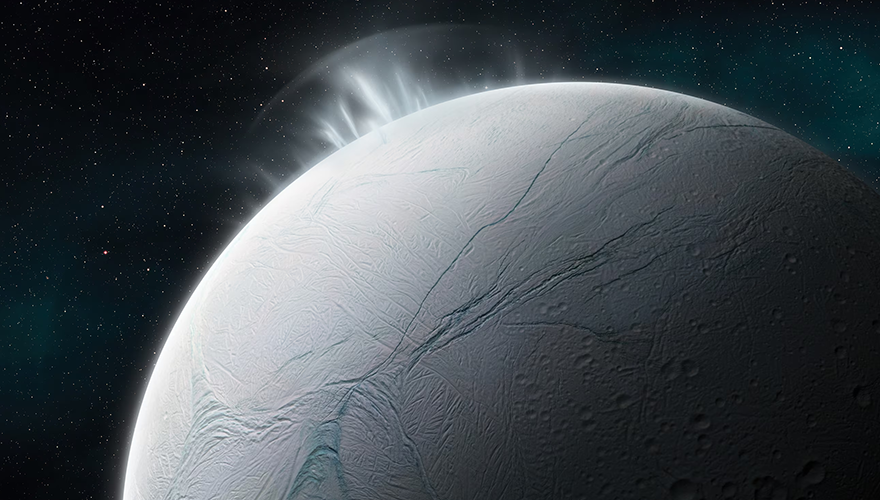
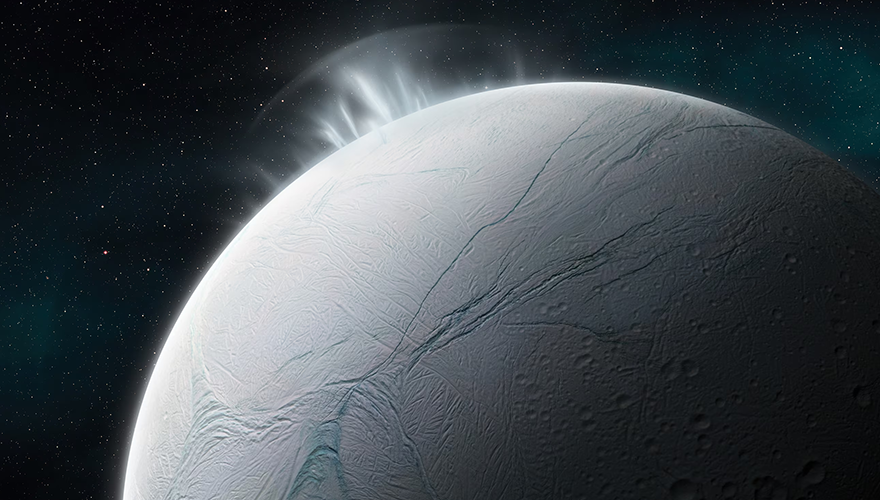
Designated Saturn II by the Federation's official Catalog of Astronomical Bodies, Enceladus is one of the most reflective bodies in the Sol System. It is a small moon- the sixth largest of Saturn's 141 moons- and the 18th largest in Sol. The moon has an equatorial diameter of 513 kilometers. The moon boasts two principle colonies and several unincorporated "bathyscaphe" habitats which are part of the Federation Science Council. All are member polities of the Outer Worlds Commonwealth and are part of the Saturn Bloc.
Enceladus is comprised of an icy-sandy crust under a very tenuous atmosphere of water vapor and a few other volatiles. The glacial crust covers an equatorial and subtropical zone "global ocean" while the northern and southern temperate zones form super-caverns filled with slushy and liquid water trapped inside icy warrens. The polar zones are unstable and have combinations of free water and a thinner ice cover. These areas are cryovolcanic.
Where Enceladus has global oceans, these bodies can be as deep as fifty kilometers. Beneath the ocean zone is a solid core made of silica, carbon and trace amounts of metals.
Early on, alongAlong with Europa and Titan, Enceladus confirmedwas thean existenceearly ofcontender extra-planetaryfor theoretical life independent of evolution on Earth. This confirmationConfirmation would not take place until after World War III, though circumstantial evidence was discovered by the Cassini probe starting in 2005 CE. Enceladus has a rich if primitive biodiversity.
Geology
"Sandy" Water Ice Shell
Polar Sluici or "Tiger Stripes"
Under the Ice
Polar
Temperate Zone Warrens
Tropical Abysses
Beyond Twenty Kilometers
Life
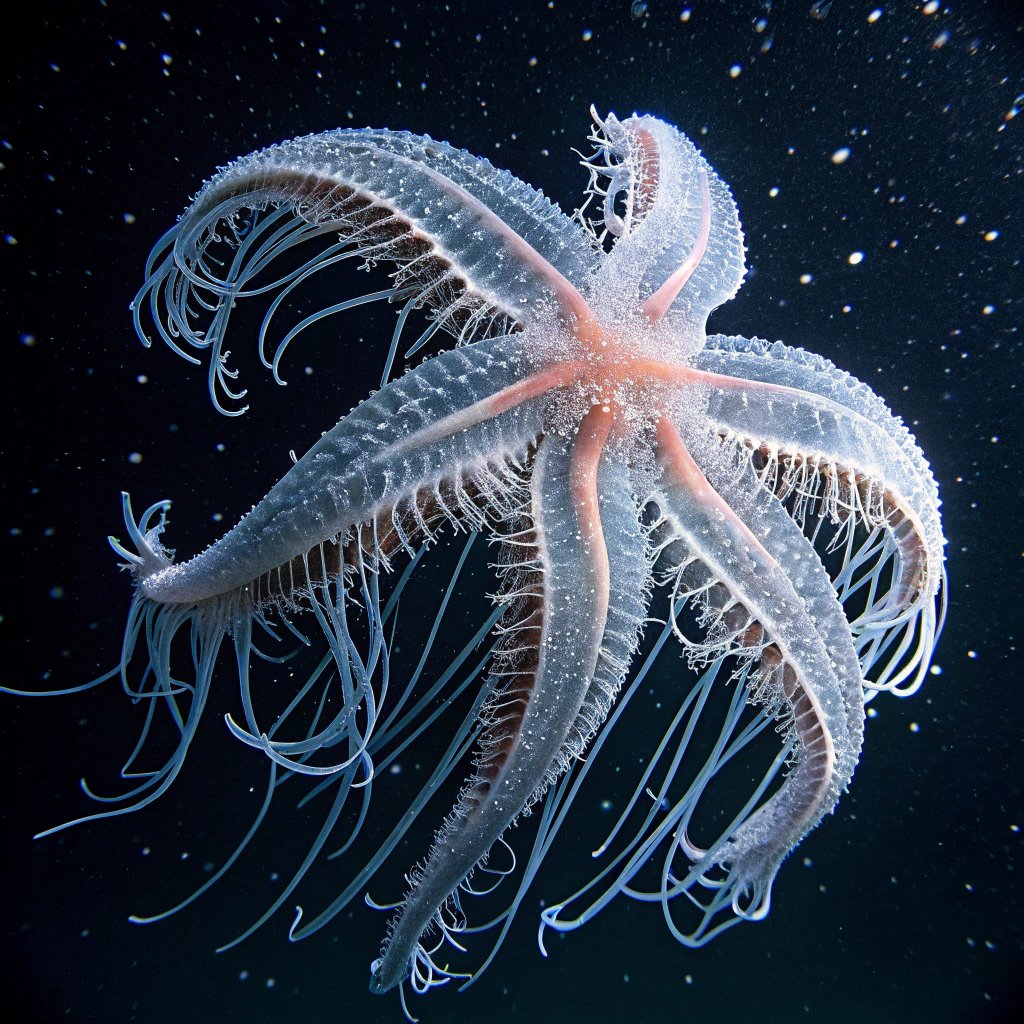
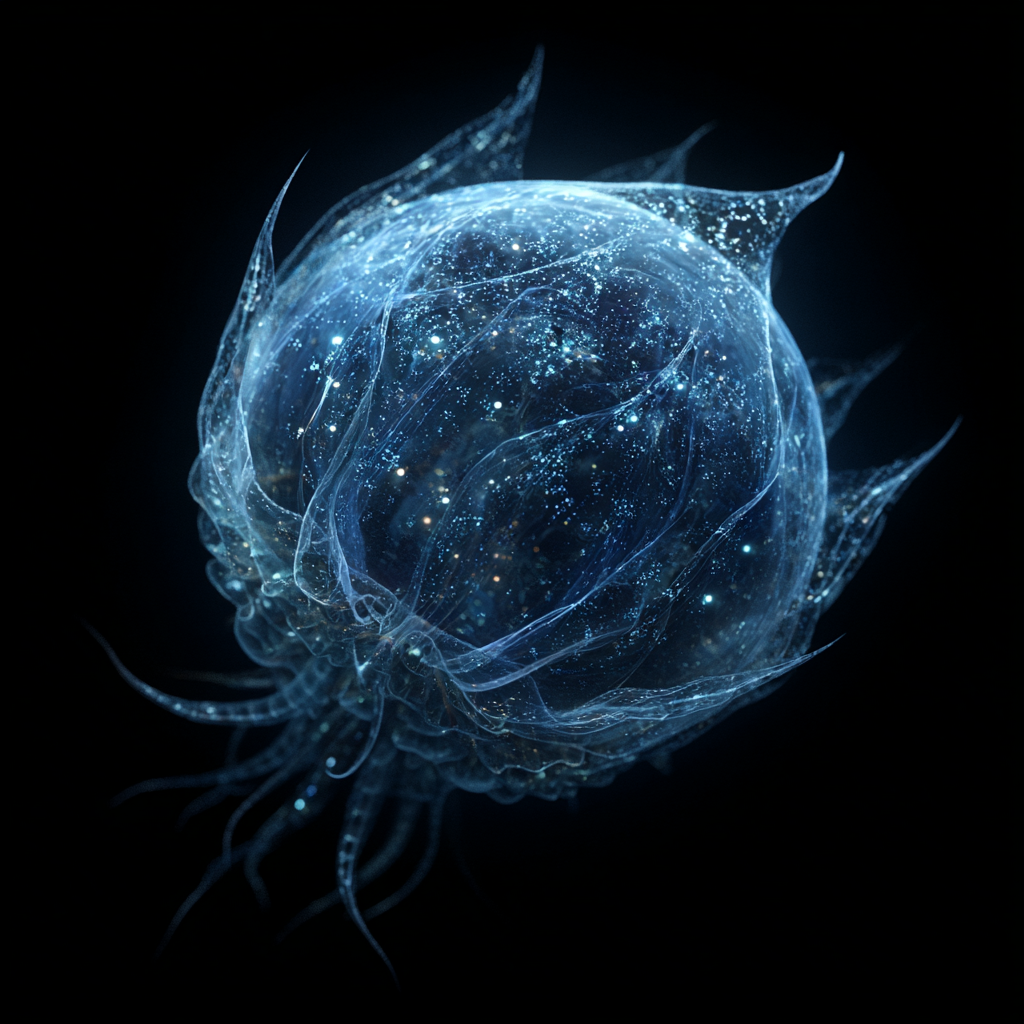
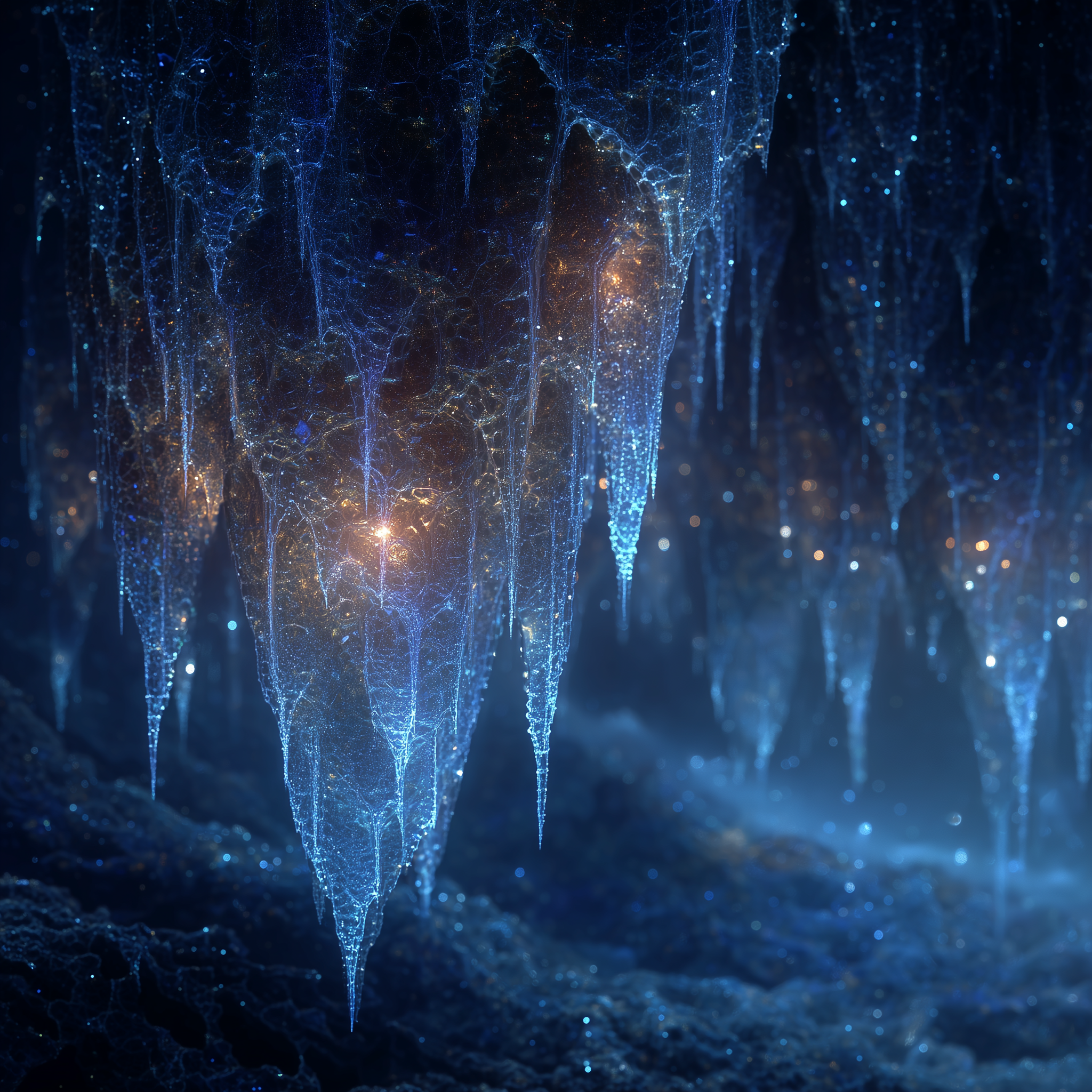
Enceladan life is primitive by Earth standards, primarily carbon-based, and usually methane-fixing for gaining energy. Most life on Enceladus engage in symbiosis with anaerobic archaeobacteria which provide sustenance in exchange for mobility and a sustainable life shell. The sun's energy does not penetrate this deep under the ice, but some life (which clings to the underside of the ice) does harvest radiation from Saturn.
Smell, Taste and Touch
Enceladus is naturally a light-less environment. Thus, no known Enceladan life forms have eyes- they don't need them. Enceladan life relies heavily on detecting chemical changes in the water- particularly for methane and the breakdown of other organic molecules. They also have feelers for sensing vibration and movement- both for detecting food and safety. The waters of Enceladus are generally quite calm aside from thermal convection and seismic waves.
Equilibrium vs. Predation
Enceladus doesn't have plants. It's "producers" are colonies of bacteria that grow either in large colonies suspended in an ectoplasmic goo, or else grows within the life form. These "goo patches" are roughly equivalent to coral reefs or kelp forests on Earth and grow near methane pockets. In turn, these bacteria are harvested by life forms and sustained in the body rather than consumed. Since most of these bacteria are methane-fixing, they need sources of methane. Mobile life forms provide transport.
Colonial Transplants
Scavengers
There are certainly predators on Enceladus- life that consumes other life. And they use the "goo patches" as a natural hunting ground. But they are quite rare. Scavenging- consuming dead life forms- is much more common.