
Ancestries of the Frozen Steppes
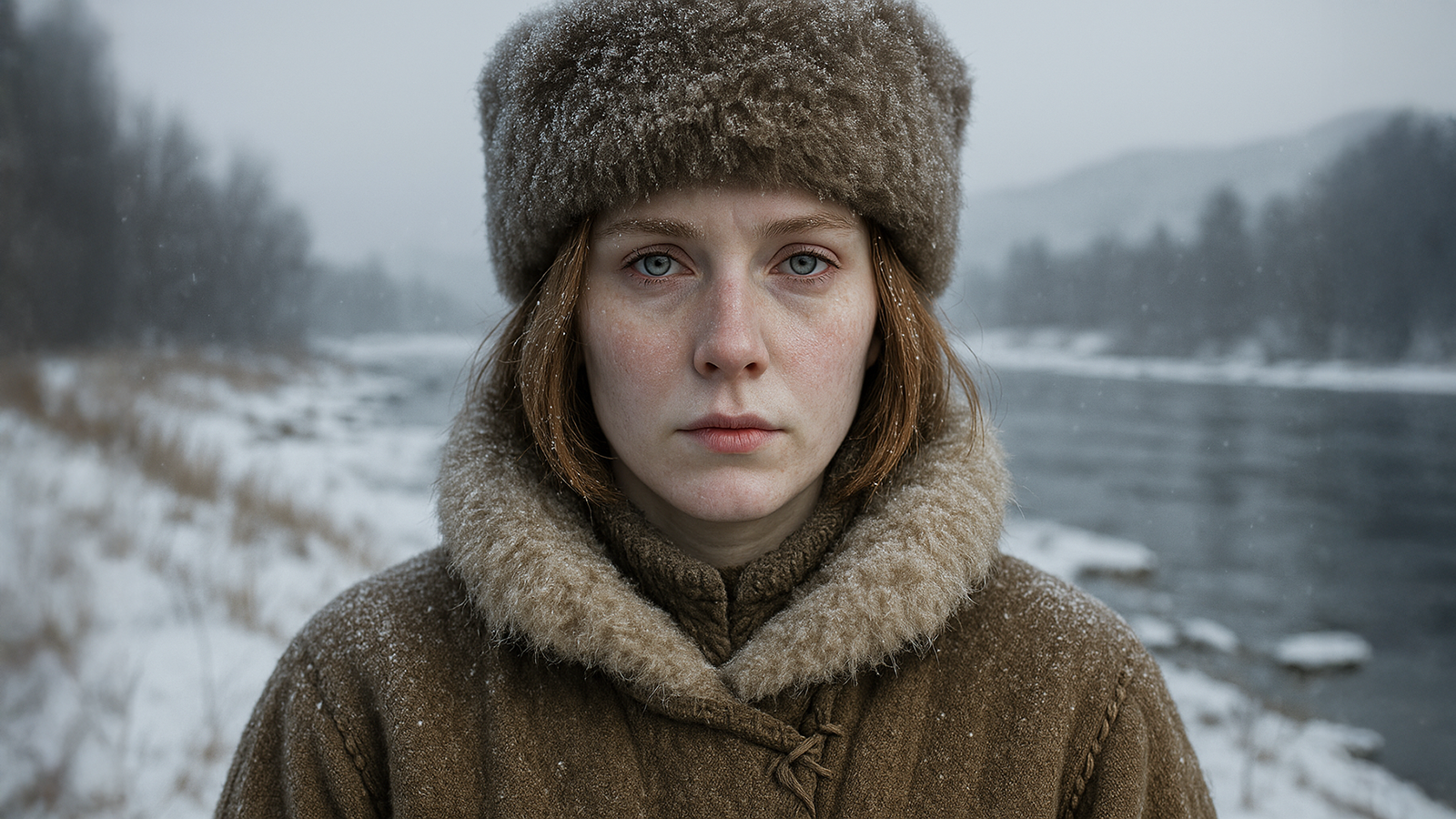
Eyr's Frigid North
The northern steppes, taigas and boreal forests of Svyr and the Eyr region of Krasz are a harsh terrain. Resources are less accessible despite a great wealth of it under the permafrost and granite. The seas are frozen for much of the year, only opening in the brief heat of summer. The cold and drear broadly breeds two types of cultures here- clannish isolationists and the commune-oriented. Universally, the frigid north forces its people to form a thick callous, a survivalist mentality and a stalwart grit.
The Frigid North of Eyr is not thoroughly peopled. It is a sparsely-populated and rural land with only pockets of civilization, usually around vital resources. It is days between even the most rudimentary of settlements. This realm feels like one of untamed wilderness, dangerous and dark between the torchlight of habitation. The land has formed cultures that use religion and superstition to bulwark against their fear.
Northern Humans
Humans exist in the North, but they form only a sizeable minority. To say they have tamed the North is a boastful lie. The North forces their submission with wild animals, harsh weather and hostile neighbors. Humans very much live at the whims of the North and thus they tend to be hardy and shrewd, but also an austere people with few frills.
Krasznya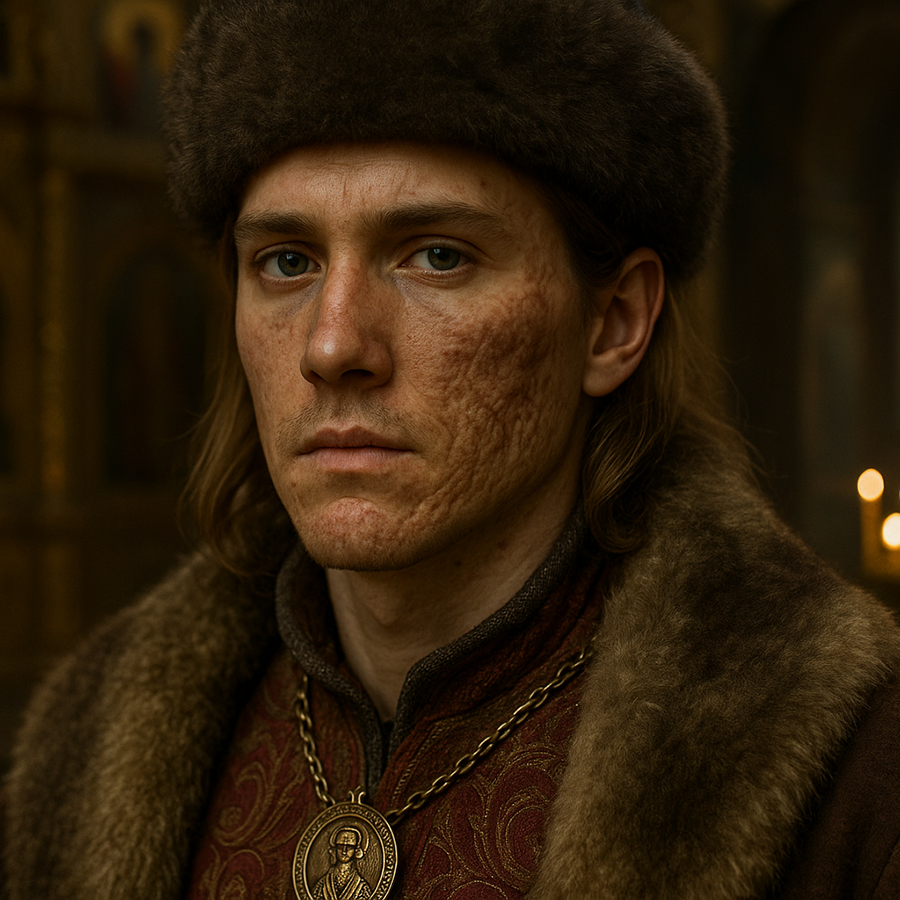
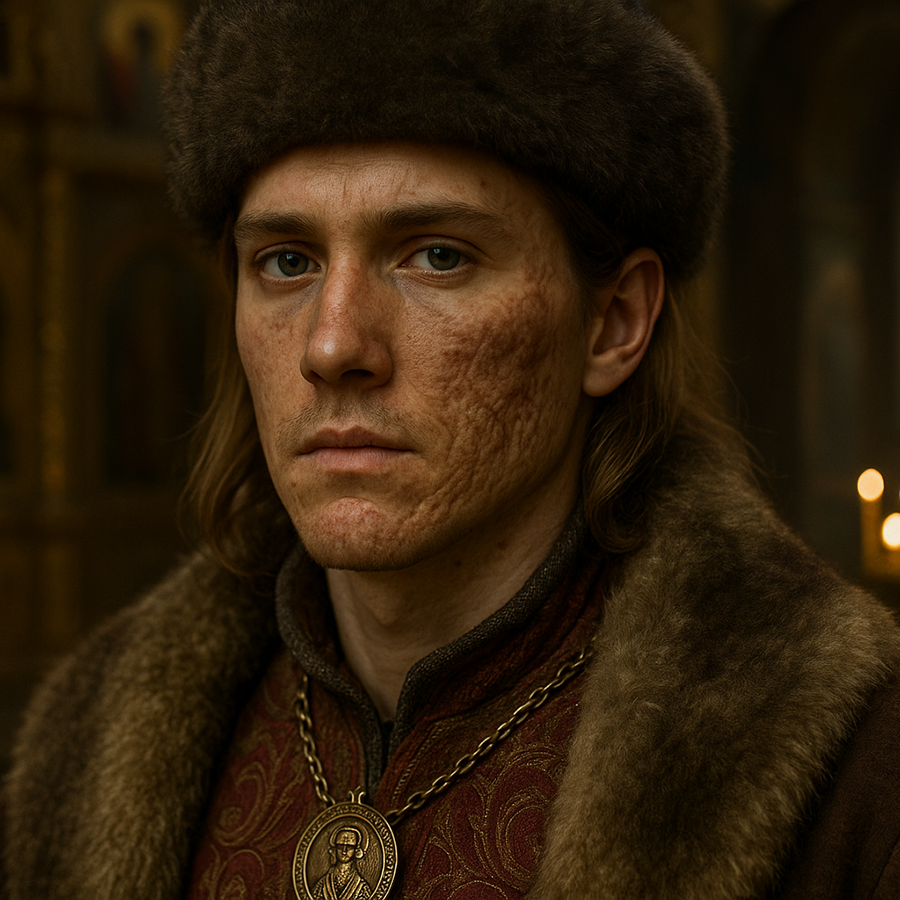
A dour and unsmiling people, the Krasznya call themselves such for their ancestry's tendency to have red hair (Kraszn means "red" but also "beautiful"). The Krasznya have a penchant for authoritarian leadership and a preference for superstition and draconian interpretations of faith. The Krasznya have endured centuries of hardship- from nature, from invasion, and from each other. The Krasznya say that everything is their enemy- even themselves. If they can't understand it, they build a superstition around it so it can be quantified and then removed or avoided.
As a people, the Krasznya view life as a thing to be endured. The joy of life is getting up and smirking at a foe to show them you are still standing. The Krasznya also have a particular love for revenge. They have a ruthless pragmatism, self-reliance and collective ennui. When one can't trust your own lawmakers and princes, you can't trust your neighbors, you can't trust nature and you can't trust even your family, one might be forged as a person who is shrewd with their words and cautious with their actions.
 Game Mechanics
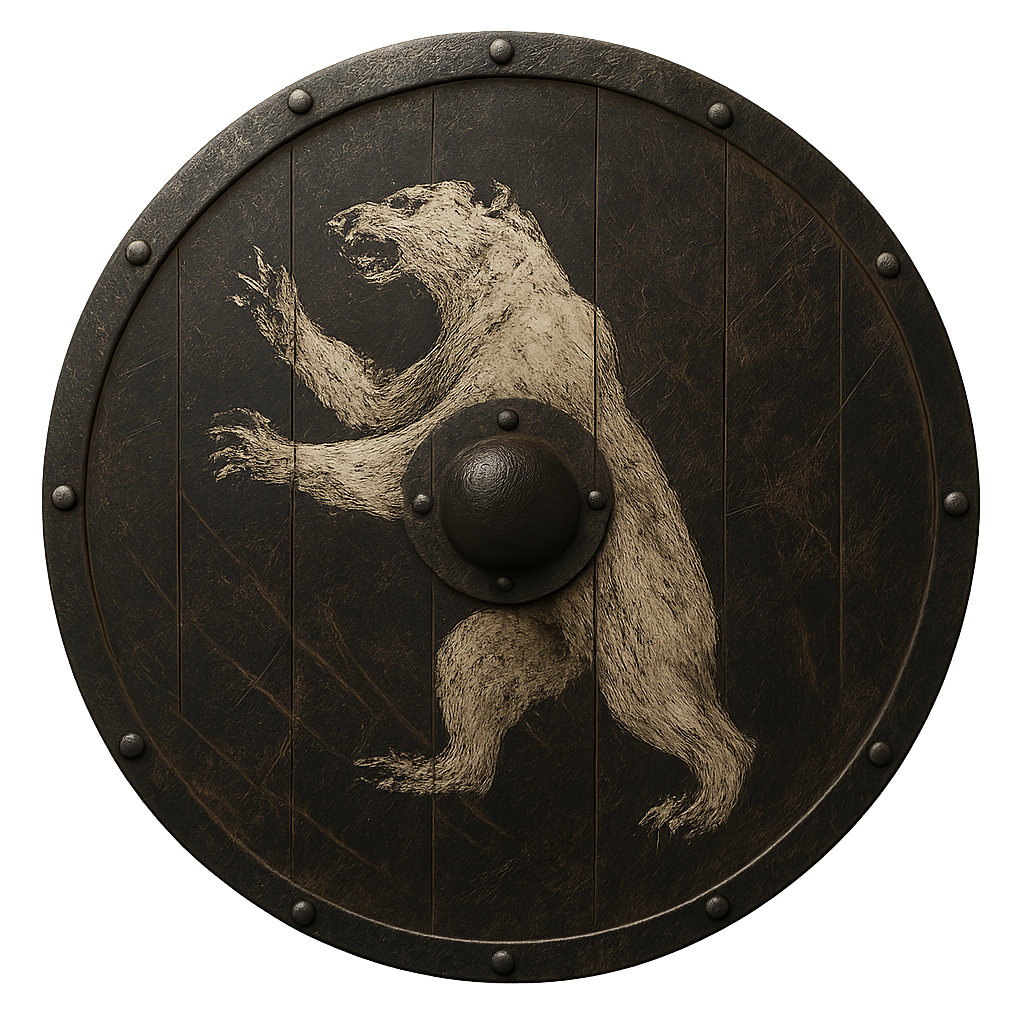
Typical Alignment: Krasznya are usually a flavor of neutral. The Krasznya are a people who build their society using superstition with a tendency for authoritarian rule, rigid traditions and draconian faith. But the average Krasznya is more focused on survival than strict adherence to law or ethics. The result is a two-tiered society sometimes at odds with itself.
Krasznya religious figures may be neutral good if they are the rare kindly priest or priestess. But they are more likely to be lawful neutral with draconian interpretations of the faith. Meanwhile, those Krasznya closer to power and money are at best lawful neutral who enforce traditions, old ways and the tested truths. Many are the venal neutral evil types who will use or cheat anyone to secure more for themselves, but ever fearful of repercussions from the faithful.
Those with chaotic alignments are fairly rare- while begrudgingly tolerated, no one admires their maverick tendencies. While evil is frowned upon on paper and among the faithful, lawfully evil tyrants do well in Krasznya settlements- at least until they are usurped or killed for going too far. Their ruthless adherence to law or tradition, though it benefits them, is seen as justifiable in this harsh land. Good alignments are sometimes seen as peculiar, and somewhat rare. It is not that they are unappreciated, but charity and ideals of generosity to strangers and outsiders perplex many.
Faith: Faith inundates the Krasznya and they are one of the more ardent religious cultures of Eyr. They have no other defense against the night and the cold. Most Krasznya follow the Orthodox interpretations of "The Cathedral Graeli," commonly called the "New Faith" in Eyr. Small numbers of Krasznya have shifted to the Reformed Cathedral Graeli. Among the aristocracy, a seam of them are members of a home-grown version of the Temple of Dragonswright.
Universally weaving their faith with superstition (both good and bad) toward magic, the Krasznya use portents and signs to navigate safety and wealth, and almost everyone adheres to strict daily rituals to stay (at least spiritually) safe.
Attribute Bonus: +1 Constitution. The Krasznya are quite hardy. It is unusual for the Krasznya to have high charisma, but many are quite wise. The Krasznya don't value formal education and finding the highly-educated among them is quite rare. Most aristocratic courts in Krasz import such intellectuals from Svyr or other parts of Eyr.
"I Will Endure:" Once per long rest when a Krasznya fails a constitution saving throw, they may choose to succeed instead.
 Svyrlunder
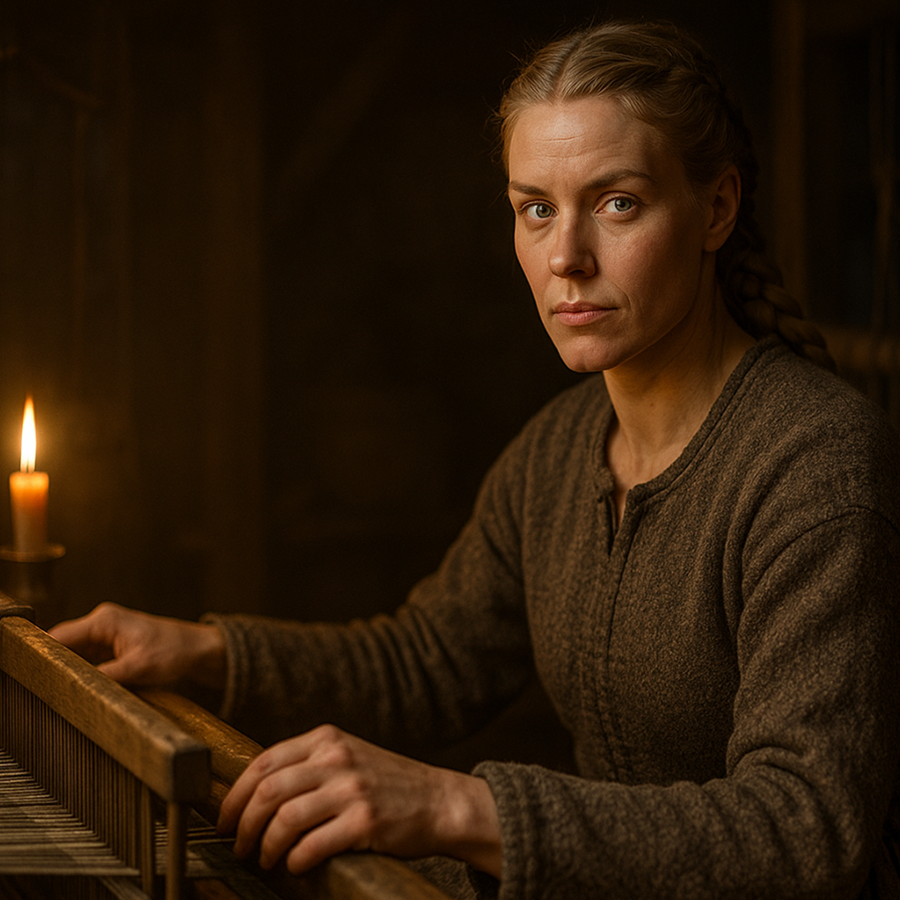
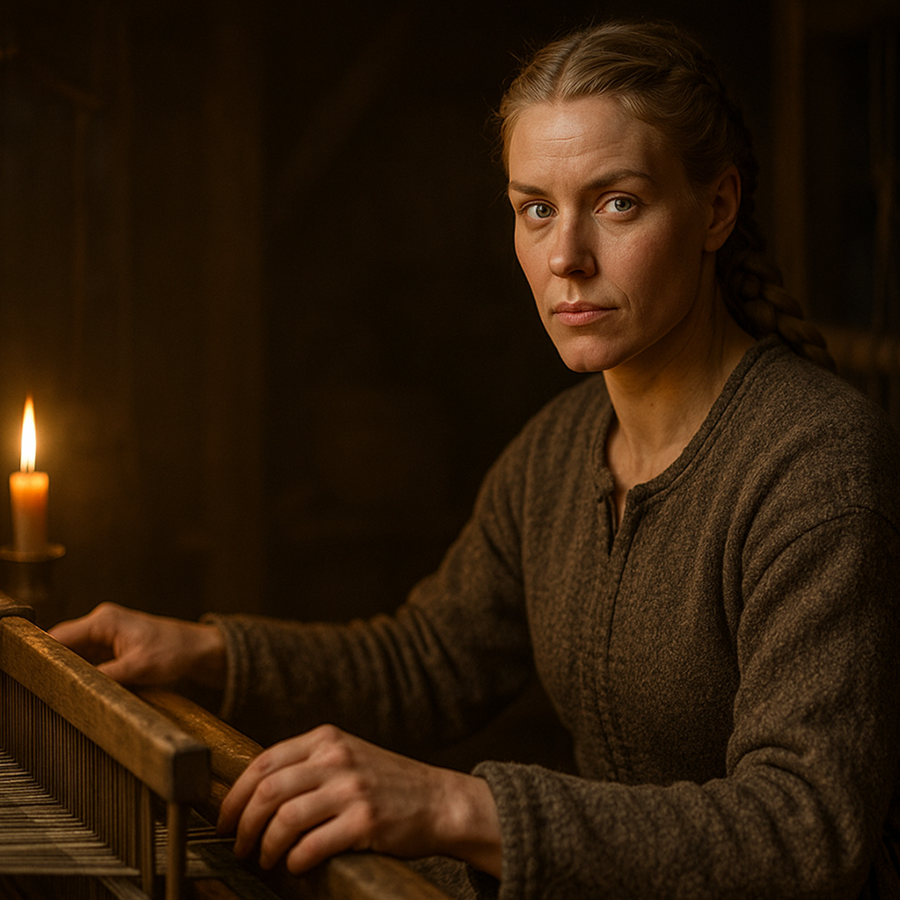
The communally-minded Svyrlunders are a seafaring and mercantile people. Though they have their Ealdors and Jarls who are the ancestral landowners, their culture is centered on the power of the guilds and merchant houses. "The People of the Snow and Ice" as they call themselves differ in many ways from their southeastern brethren. Without bordering threats, Svyrlunder culture has looked to the oceans and the many northern islands to expand their resources and build trade.
Svyrlunders are an introspective lot, with a tendency for careful consideration and pragmatism applied to most situations. They have a subtle sense of humor but are welcoming of strangers- even if they watchfully study their guests.
 Game Mechanics
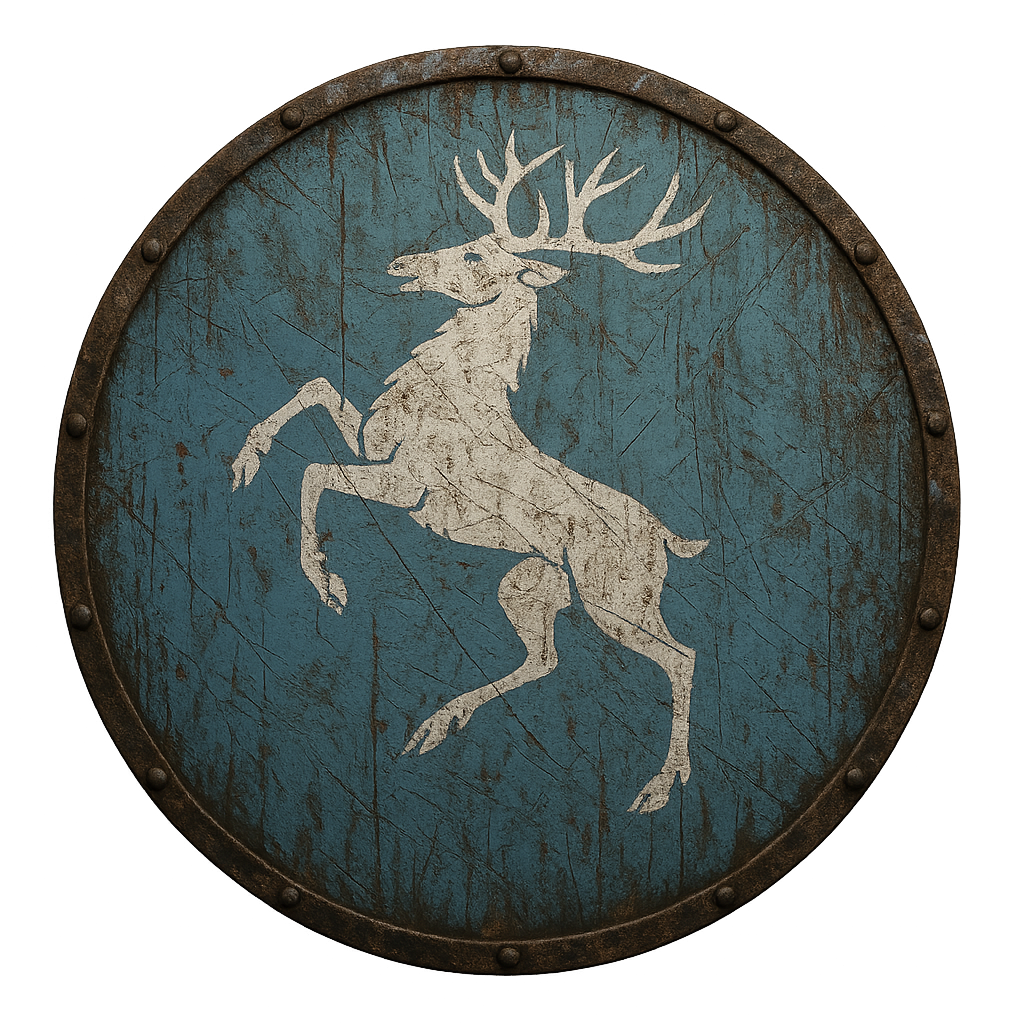
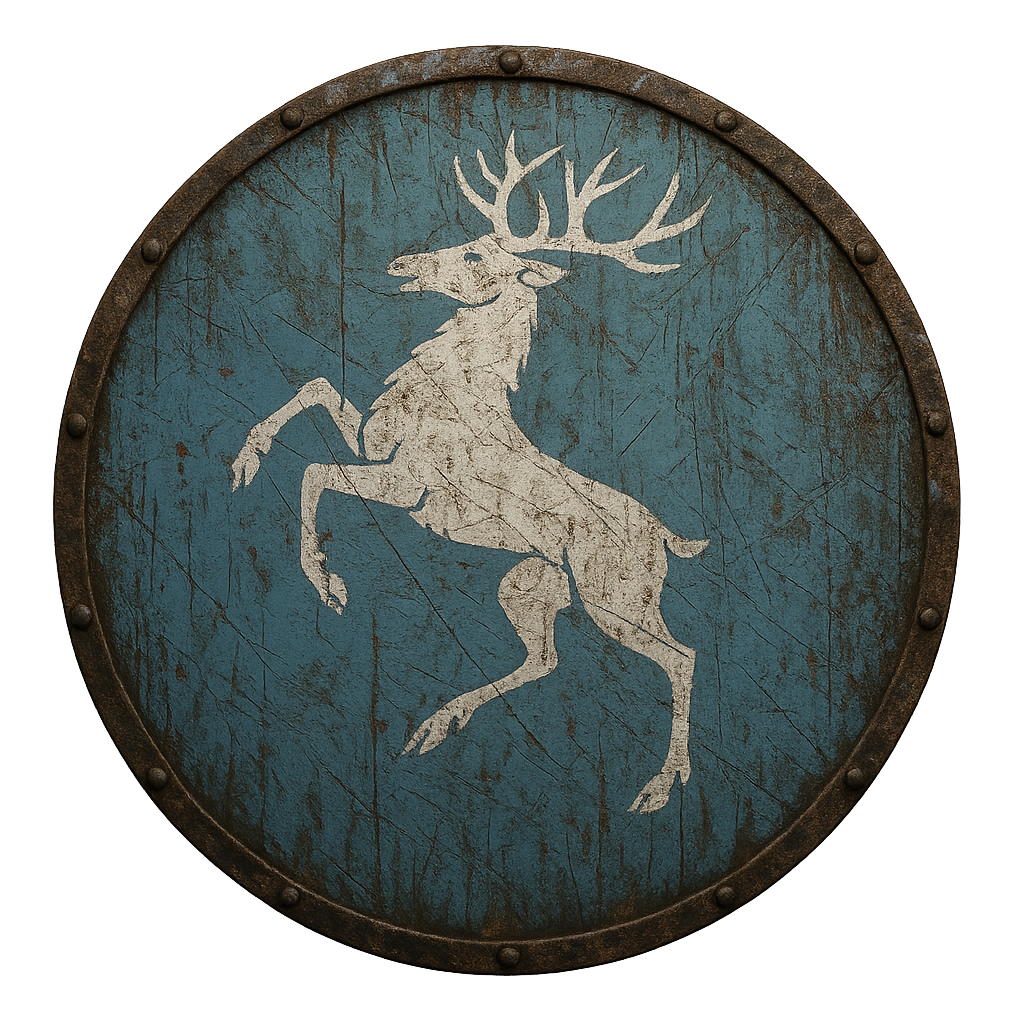
Typical Alignment: Like the Krasznya, Svyrlunders lean strongly in to neutrality. But where they differ from their kin is they have a tendency for Good as a baseline. The Svyr people are communal and look out for the collective good. They protect one another, knowing that their neighbors will protect them in turn. Their leaders tend to be Lawful Neutral with an even hand focused on tradition and law and mete out justice in equal measure.
If there is a moral weakness among them, many merchants are drawn to coin and luxury and give in to an ethical flexibility. Many are neutral, holding no preference for law, chaos, good or evil. They do what is ideal for the moment and the preferred outcome. But the worst of these folk are neutral evil.
Svyrlunders still engage in the "Raedthyng," going out in summer to pillage other lands for resources and food. Like any warrior, those who do the Raedthyng kill and do evil things. But opinions are changing about this ancient practice. It is seen less and less as noble for the community, and more about personal wealth and status. There is more recognition that those raided are "extended cousins" among the Graeli, and not faceless, selfish heathens.
Faith: Faith certainly exists among the Svyrlunders, but not to the same pervasive zeal as the Krasz. Their priests focus more on their community health and continuance than the strict adherence to the whims of Gods. About half respect the Orthodox Cathedral Graeli but an increasing number prefer the more fluid and "human" God interpretations of the Reformists. The Svyr add a peculiar element in that they believe- they know- that the Gods, old and new, walk among them. About a third of Svyrlunders still worship the "Old Gods."
Attribute Bonus: +1 Constitution. Like the people of Krasz, the bitter cold and harsh terrain of Svyr has made the Syrlunders are a hardy culture. Excess and sedentary lifestyles are unusual save for the revered elderly, but even they have responsibilities to the communities that support them.
"The Cold Doesn't Bother Me:" Syrlunders are resistant to cold damage. Once per long rest they can sacrifice their resistance to cold to give an ally advantage against an exhaustion check.
 Lodyigka
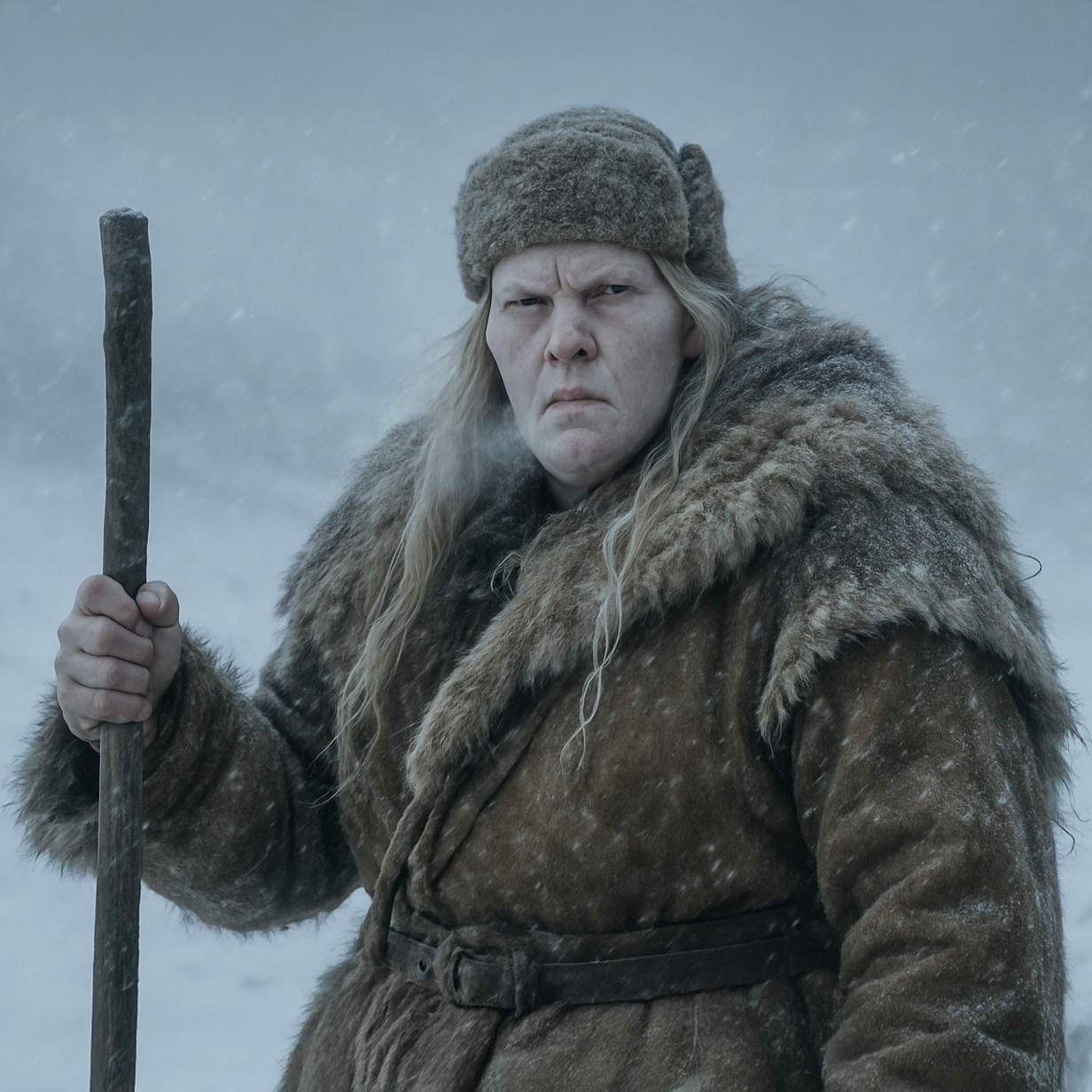
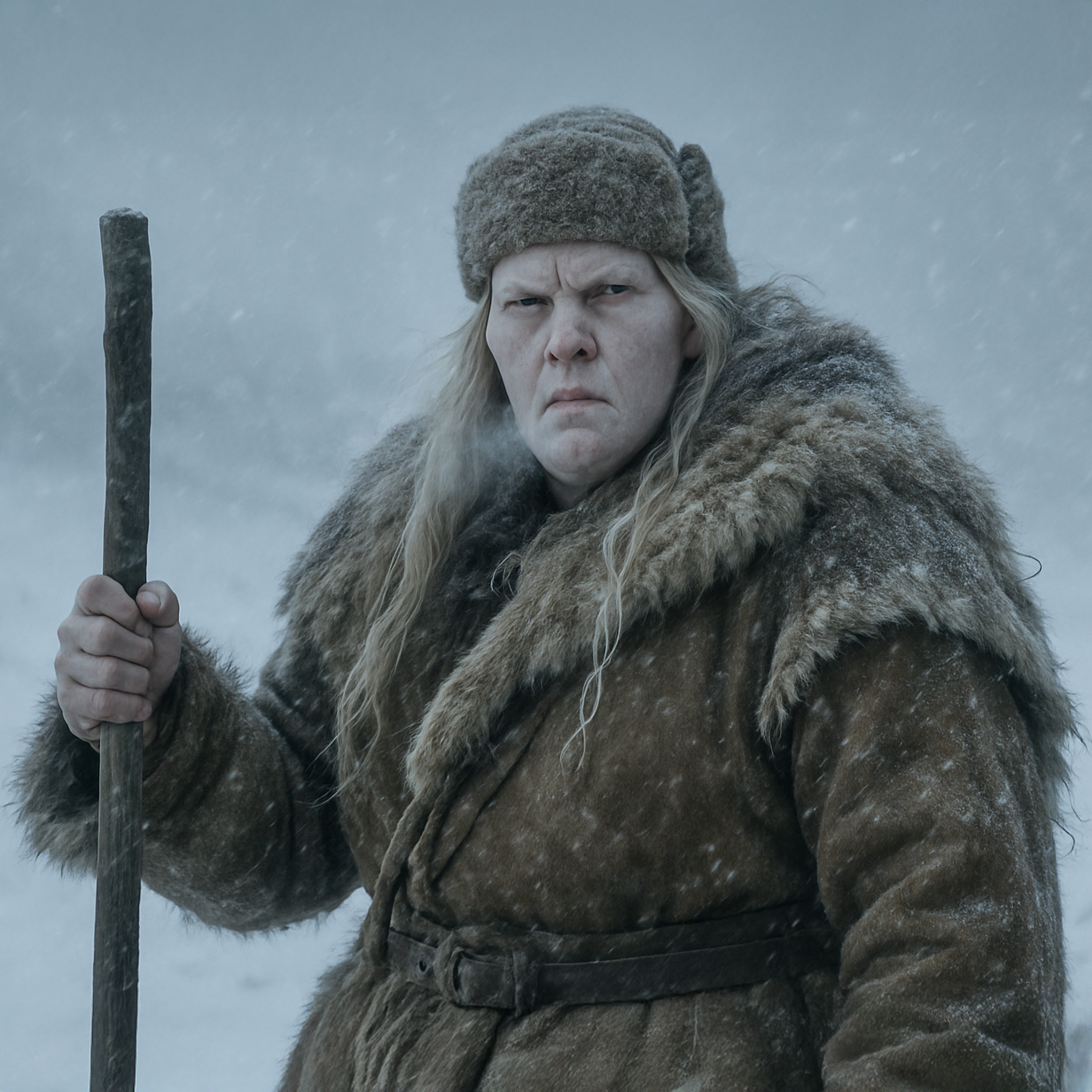
Half-mythical, the Lodyigka are Human and Mortal, though set apart. They were in the northern reaches and islands of Svyr when the Svyrlunders came. Their communities were small and focused on the sea and a pastoral existence. But surprised the Svyrlunders were their size- and truly the Lodyigka might have begun the origins of "Jowta" as the Old Gods' first people. The Lodyigka are an immense and tall people- usually seven and a half to eight feet tall. Their builds were robust, almost Dwarf-like.
The Lodyigka are a comparatively simple people who, rather than taking on the culture of the Svyrlunders, have migrated farther in the various islands and isolated valleys of Svyr. They bear no hatred or malice toward the Svyr- the two groups get along well when they must mingle and the Lodyigka do not chase away Svyr who intrude in their lands. They just wish to live apart from the Svyr. Peculiarly, the Lodyigka have no Smallfolk among them and are often utterly intrigued by these diminutive folk.
The Lodyigka do not gather in numbers of more than a couple of dozen. They are migratory and seafaring. They follow the reindeer herds and bears, and hunt seals, whales and fish. They raise eggs from the native roosts of Puffins in the northern isles. The reason the Lodyigka gather in small extended families is the same reason they do not tend to live among the Svyr for long- they do not wish to become a burden to their hosts, or to the land.
Northern Cousinfolk
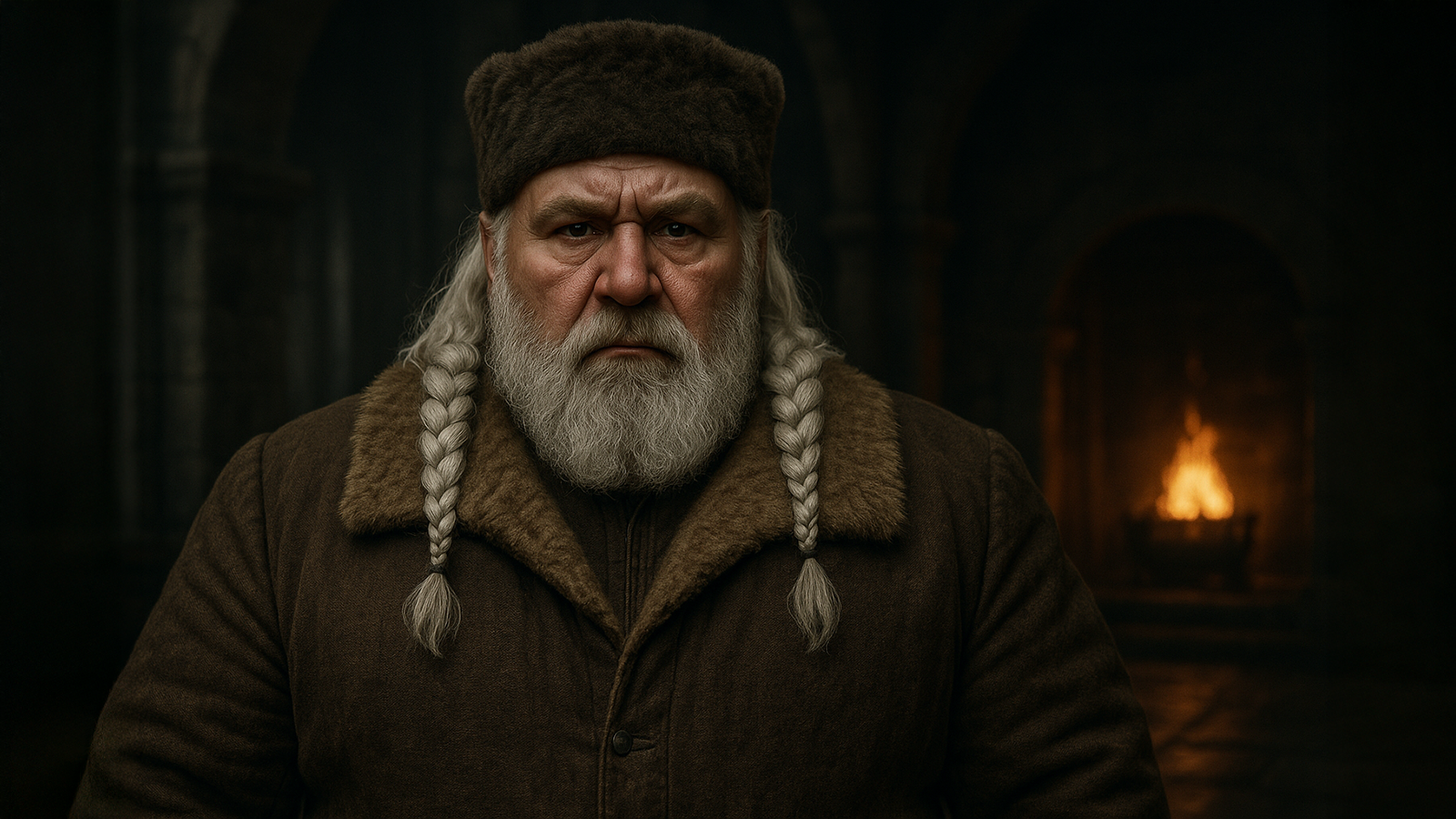
The Nearfolk- other Mortal beings native to Arhun- exist to round out the majority of denizens in the Frozen North. Each deal with the Humanfolk and others differently. The first to have claimed this unforgiving realm were probably the Orcs- the "Kazarn Horde." Next came the Humans, first from the south and then from the islands of Svyr. And with the Humans were as always their stalwart but diminutive allies, the Smallfolk.
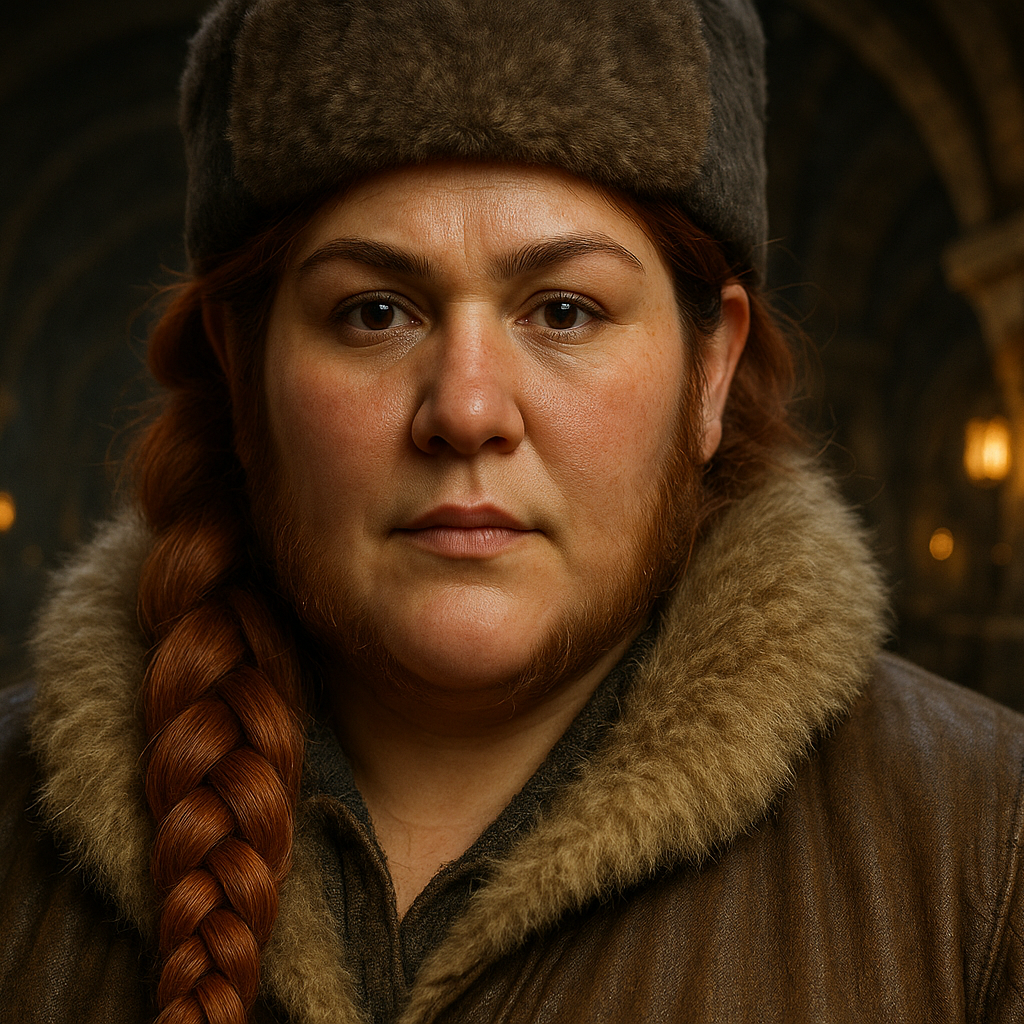 Vault Dwarves
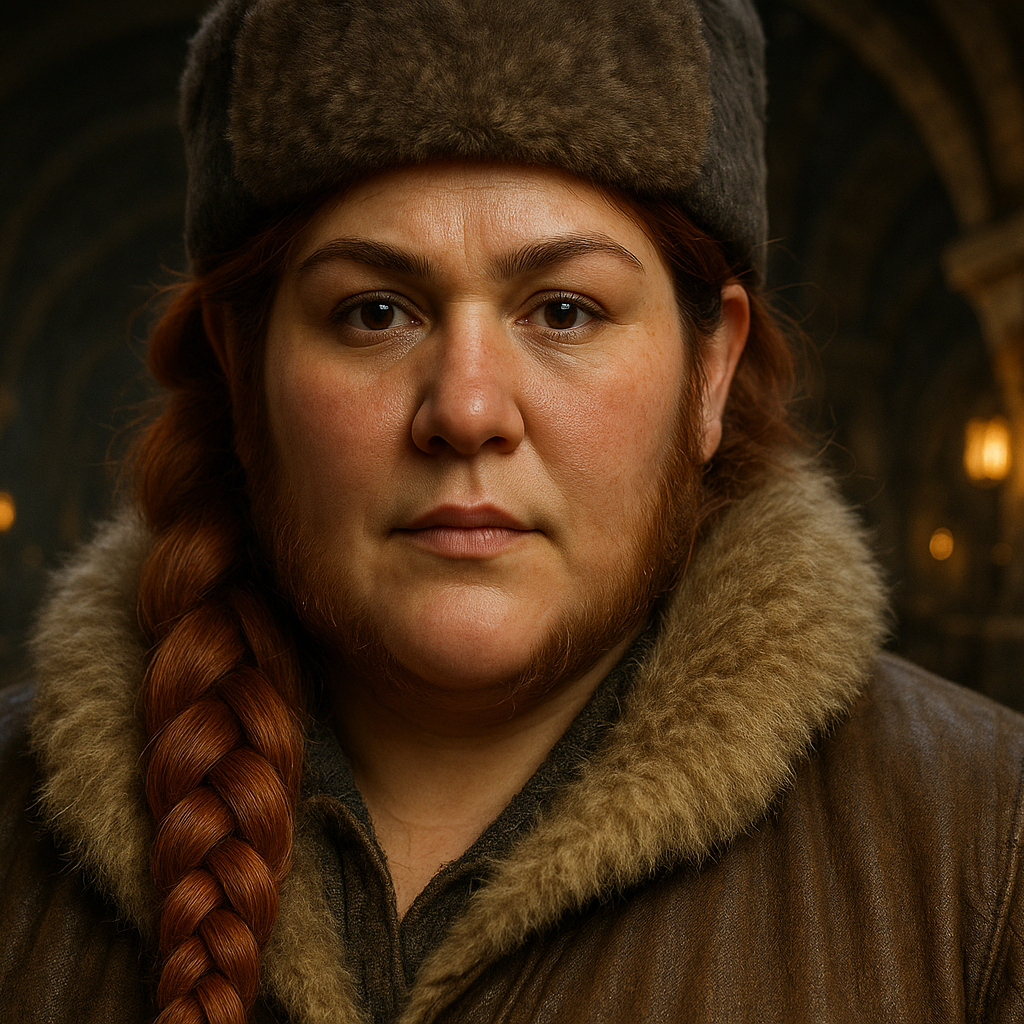
The Vault Dwarves appeared in these parts only a century ago. They claim they are returning to their ancestral birthright and retaking these mountains for Dwarfkind. But they are being very tight-lipped about where they came from (but that is nothing new). These Dwarves feel they owe no one answers or explanations- fairly typical of Dwarves worldwide. While they are cautiously open to trade with Humans and Smallfolk, any suggestion that they are usurping the mountains or invading territory is met with an aggressive (though not usually violent) response.
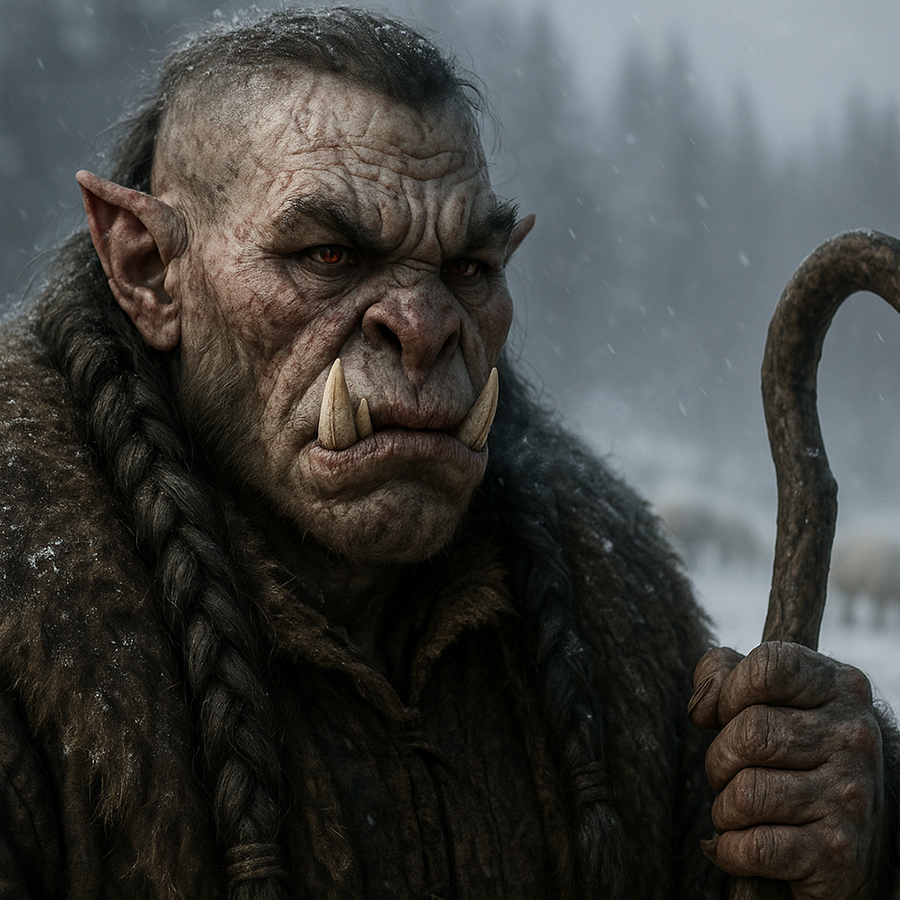 Kazarn Orcs
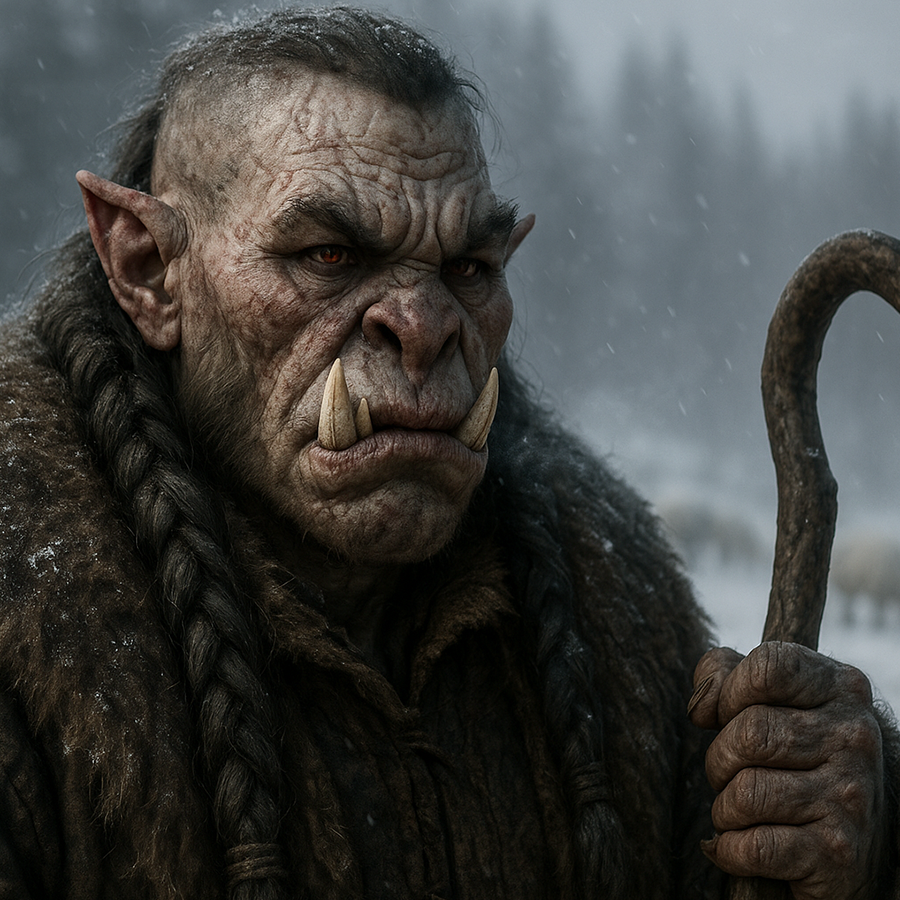
The Orcs of the migratory Kazarn hordes have earned the begrudging respect of the Humans and Dwarves of northern Eyr. The relationship has been fraught with peril and a lot of blood has been spilled on all sides. When the proto-Krasznya first came to these icy lands, the Kazarn killed and subjugated many of them. As numbers, birth rate and technology began to favor the Humans, they started hunting and clearing out the Kazarn villages and trading posts.
But today the Kazarn and the frontier mountain villages of the Krasz face a common foe- the Khazai. They are allies of grim convenience and necessity, but this new detente has also facilitated trade and interaction between Human and Orc.
These Orc-folk range across the frigid steppes of Kazhan, and the southern slopes of the Taiga that lead to Krasz. They seasonally war with the Skeegol Hobgoblins to the southwest but their traditional enemy is found in the eastern steppes- the Jaq'hanates of the Khazai.
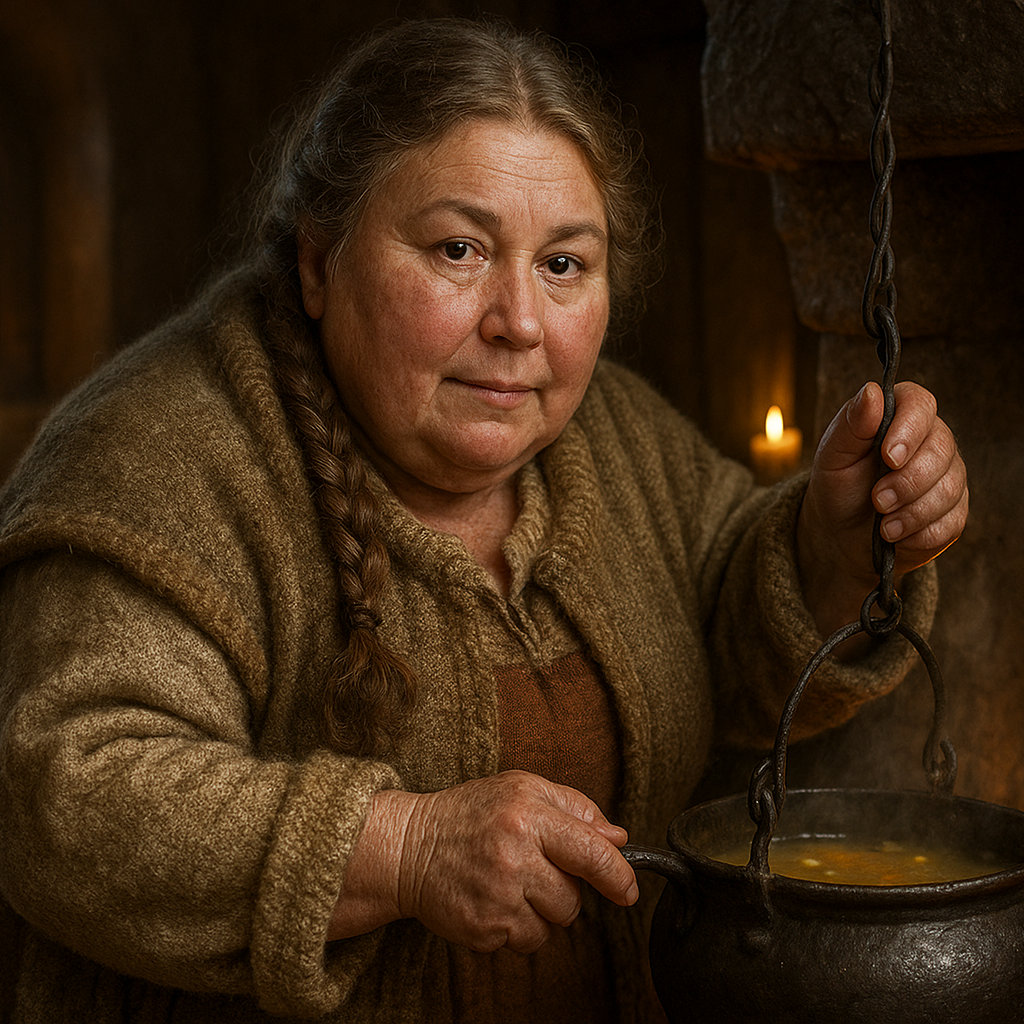 "Malenkya" Smallfolk
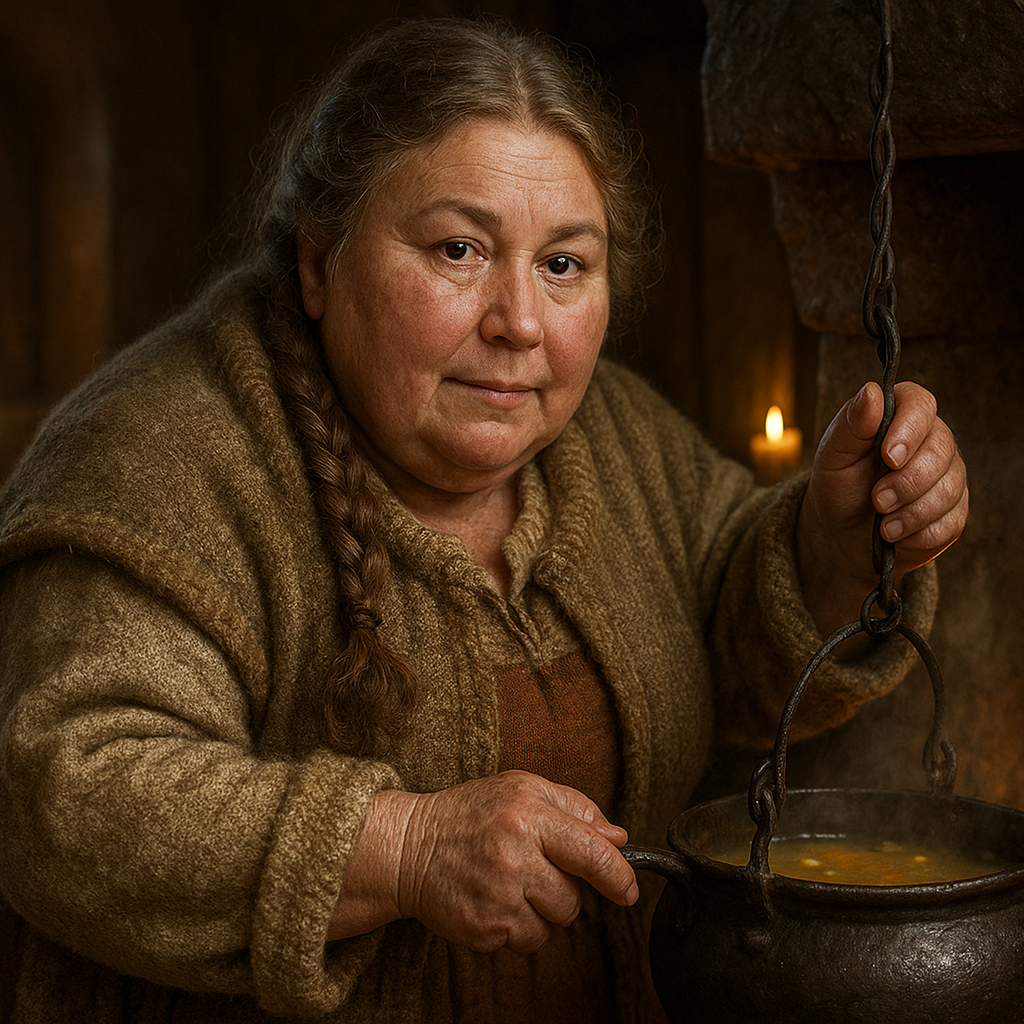
The Smallfolk of the North- affectionately called Malenkya by their Human cousins- are of the Hearthwise branch of their kin. This part of the world doesn't have native Wanderwise; it is too dangerous. Those of the Wanderwise are pilgrims and foreigners, called "Snabbti" (Quick) by Svyr and "Strany" (Odd) in Krasz.
If there is native sense of charity and a veneration of a knitted together community among the northerners, the Malenkya are usually at the heart if it.
Northern Wyldfolk
Though they may resemble Mortal Ancestries in action and appearance, the Wyldfolk come from the Wyldlands- either the Beastlands or the many pockets and halfways-between of the Fairewyld. Some have lived generations in the material plane, but remain distinctly "Fey" in origin. The Wyldfolk are quite rare, accounting for less than ten percent of the already sparse population.
 Winterwise Gnomes
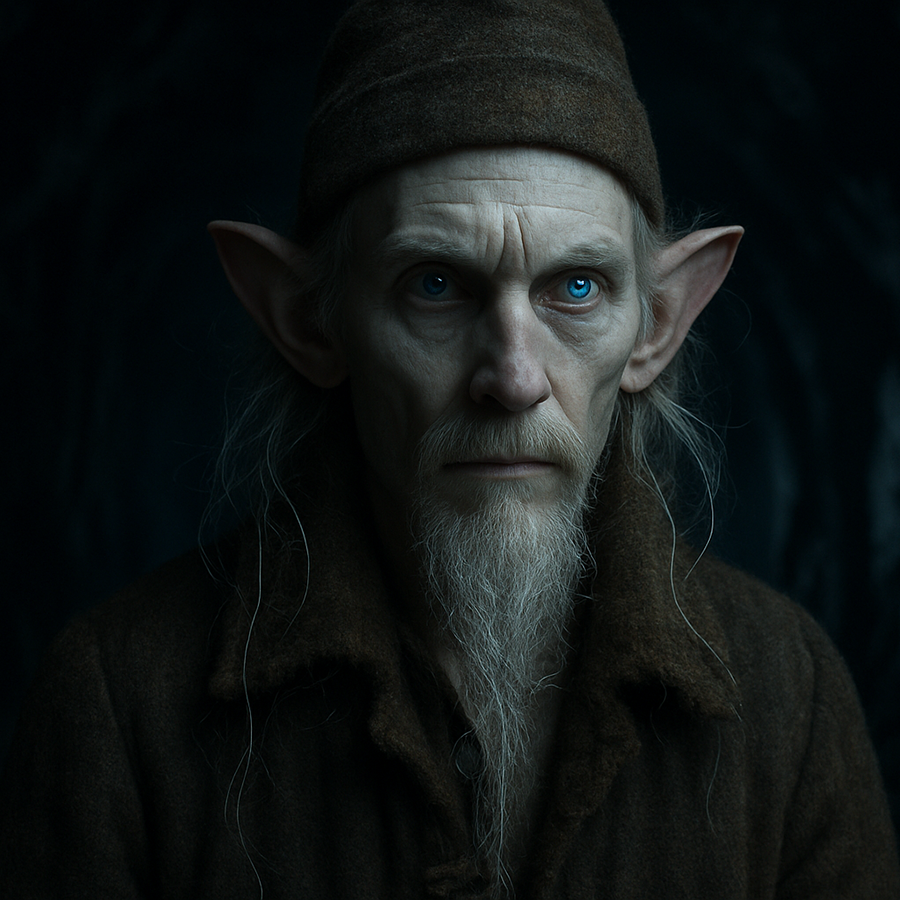
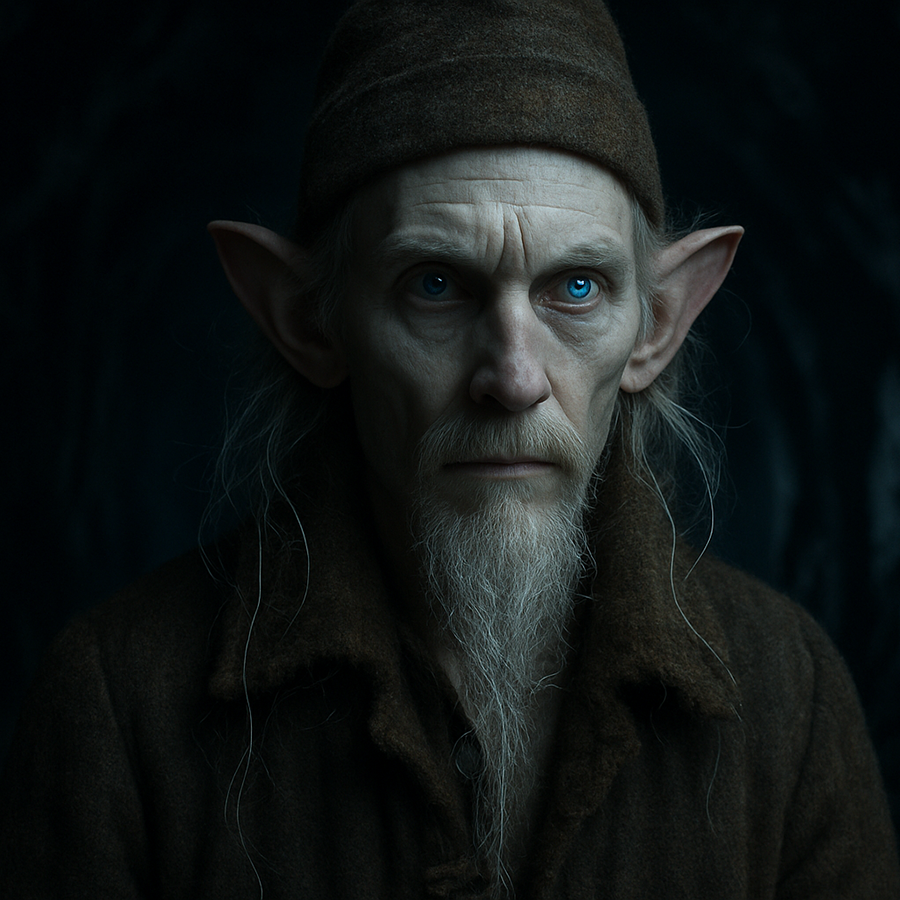
The manic creative energies and chaotic nature of Gnomes is turned inversely in the Winterwise. Rather than boisterously explaining their current fascinations, Winterwise grumble and mutter with the air of a cranky artist or a moody eccentric scholar. They have an edge to them, like someone who one is unsure they want to cross.
The Winterwise are not anti-social, but they are quite introverted for Gnomes. They are so turned inwardly that they tend to have disturbing countenances- fixed stares, a vague scowl, as if they gave forgotten they are in company.
 Snowstrider Elves
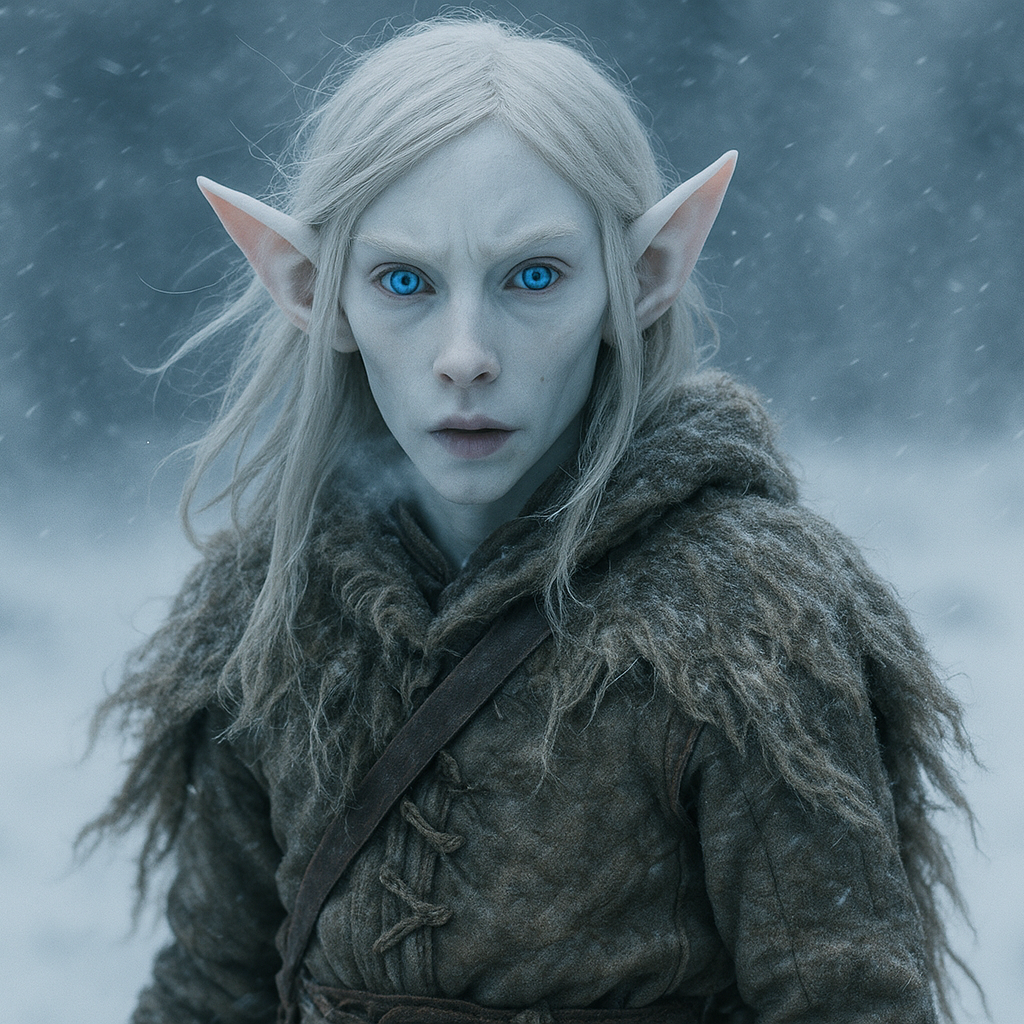
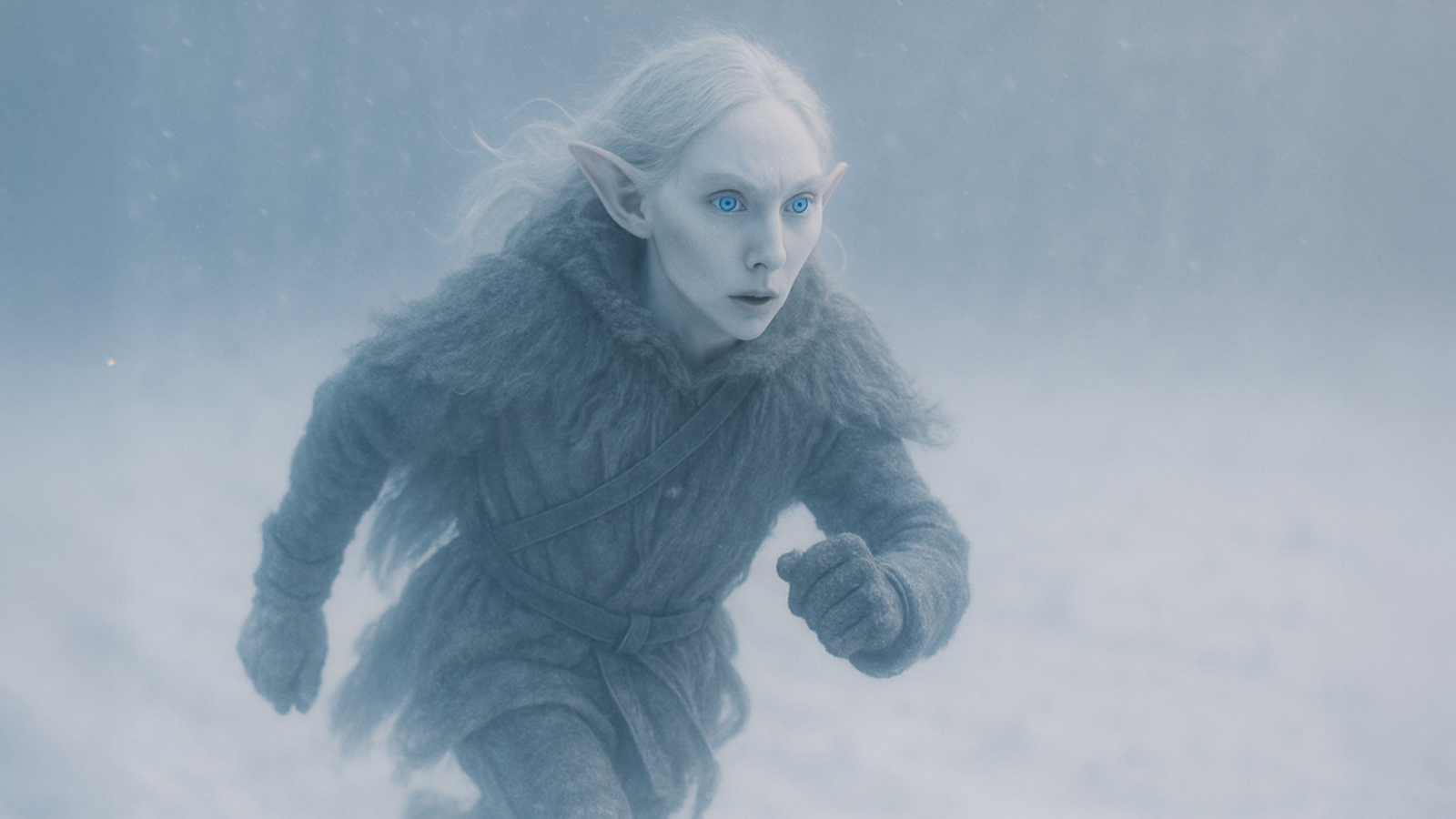
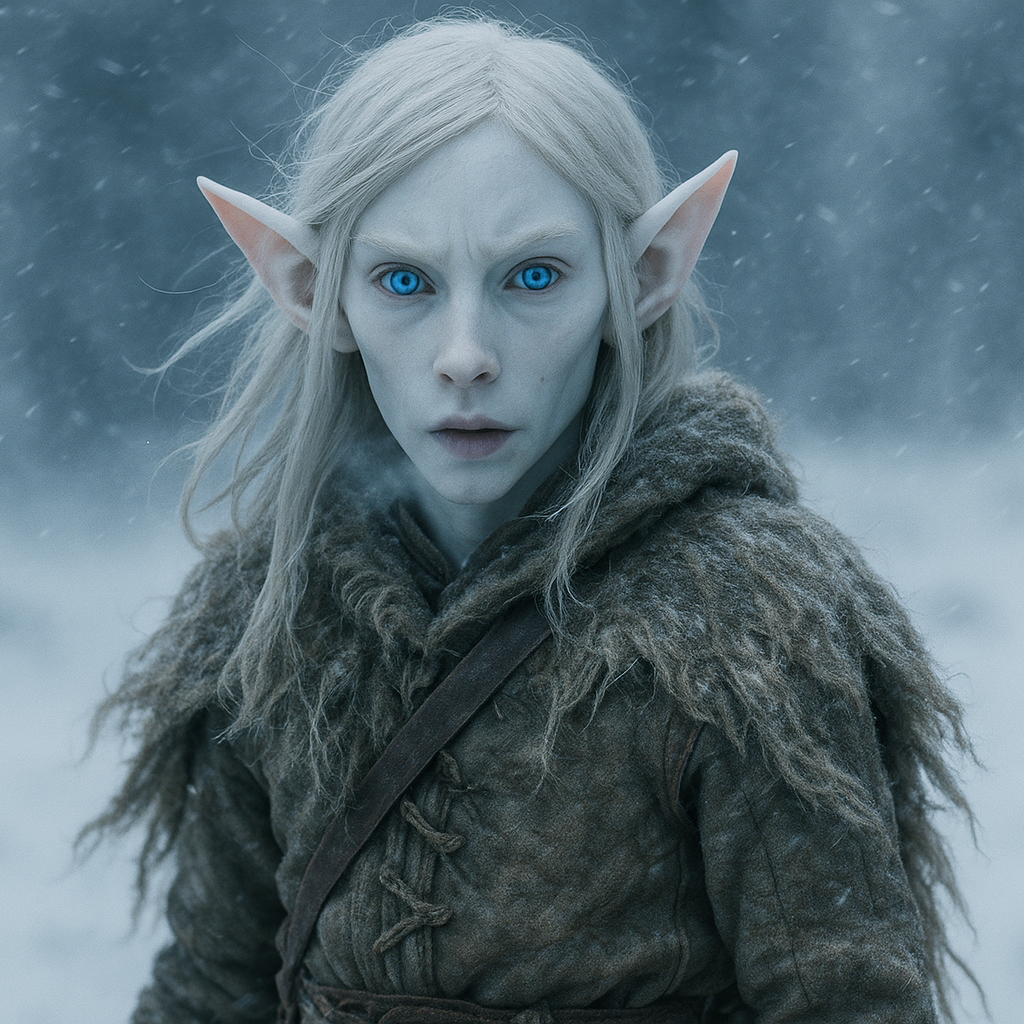
Snowstriders, a branch family of the Ilvyn, call themselves, "Ivn Ysilvi" or "Of the Cold Forest." Like all Ilvyn, Snowstriders are distinctly fey-like: slender, graceful, and strange with long features, large eyes willowy limbs and a shorter-than-human stature. Unlike many Ilvyn, the Snowstriders prefer day to night.
 Kneazles
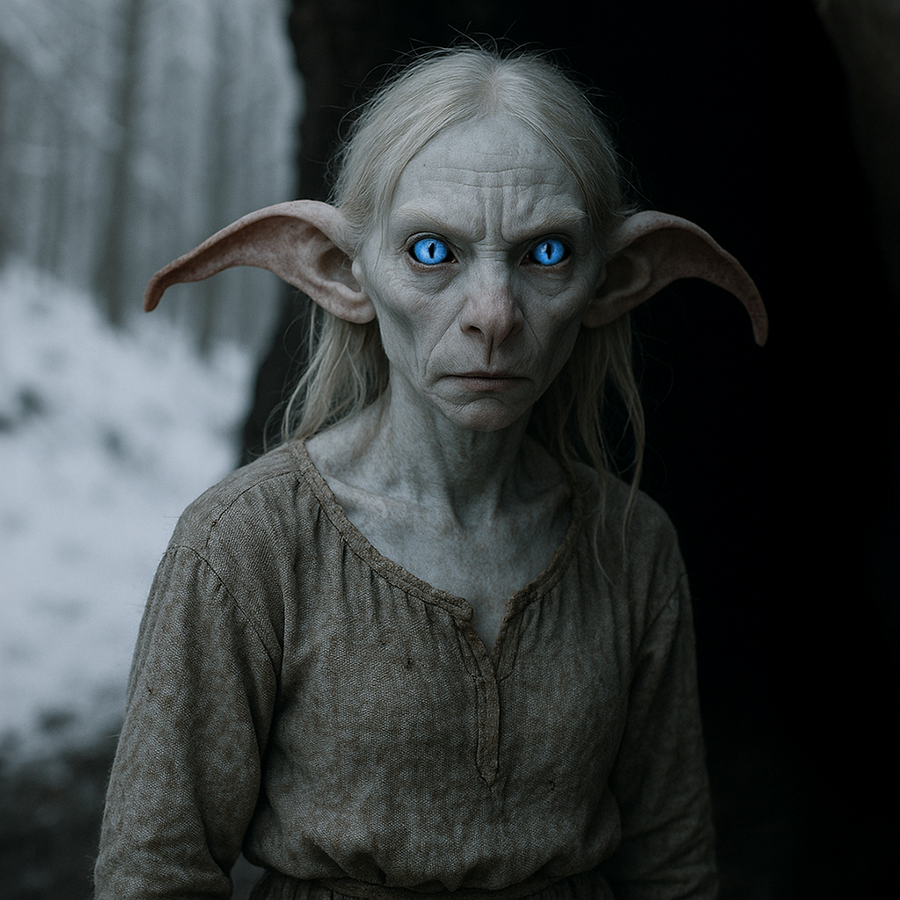
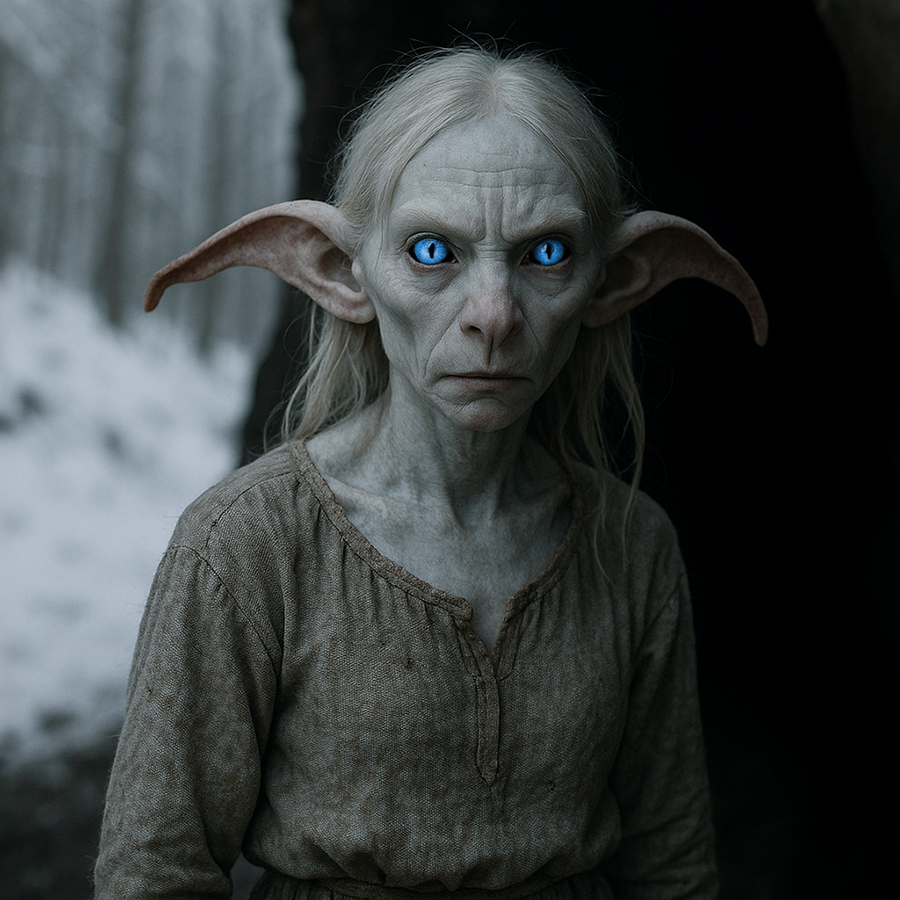
Covered in a thick, velvety mange of cement-colored fur, the Kneazles are the northern brand of Goblinoid. They are a nocturnal ancestry that prefer to live in caverns and abandoned mines; they are not comfortable in cities or sewers. The strangest aspect of the Kneazle is they bring an ambient chill with them. Even on a warm summer day or near a hearth, a Kneazle's presence adds a stiff wintry chill.
Kneazles are schizoid and solitary- they don't like others unless they can somehow benefit from another's presence. Most are opportunistic scavengers who on their own are little threat to anyone but a solitary miner or wanderer. They can eat almost literally anything. Frozen flesh, leathers and furs are their favorites but they are neither foolish nor careless nor choosy. A Kneazle would sooner eat a frozen corpse of some unfortunate who succumbed to the cold than fight. But a mean-spirited one might tail a lone traveler or pair and steal or sabotage their means of survival so they do freeze to death.
 Trolls of the North
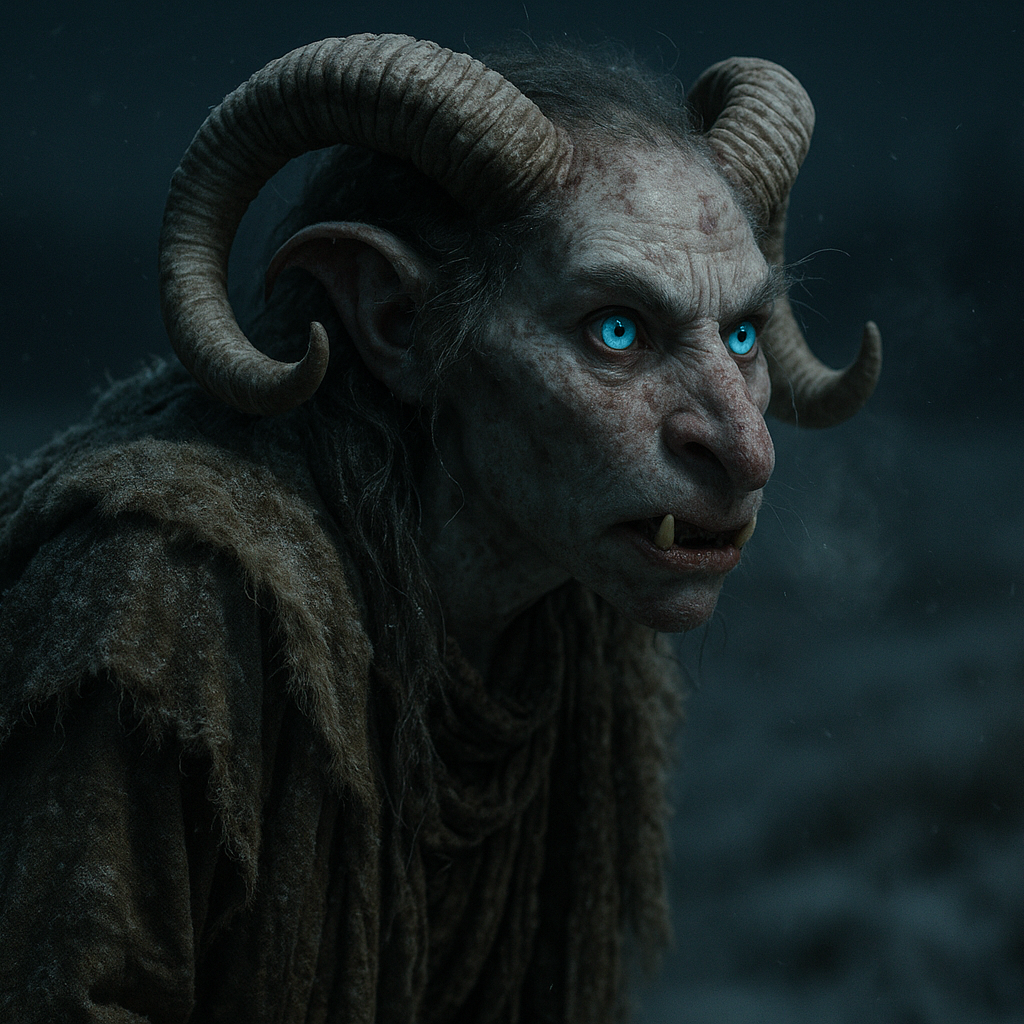
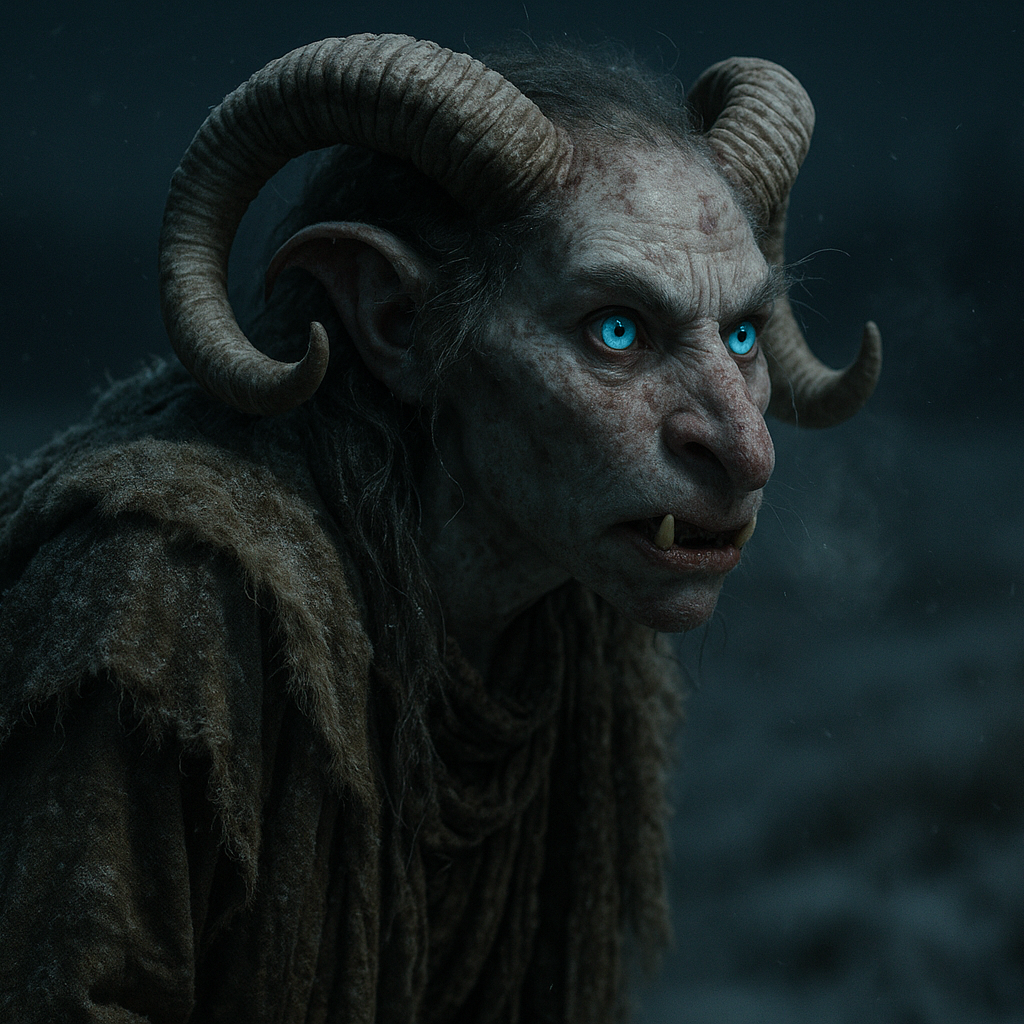
Standing well over nine feet tall, the Trolls of the North are a rare and powerful race. Northerners are fortunate that Trolls are not a sociable flavor of Fey. They dislike one another almost as much as they dislike other Fey and Mortals. All but solitary, Trolls do not pose a threat to entire communities- only those foolish individuals or small groups who would venture out of the villages in the dead of night.
Despite a somewhat bestial appearance, do not be fooled: Northern Trolls are among some of the most clever and cunning of the Fey.
Beast Wyldfolk
Boarfolk
Ravenfolk
Bearfolk
The Bearfolk of northern Eyr are exceptionally isolationist and very rare. Bearfolk are solitary: they care neither for outsiders or truthfully their own kind much of the time. There may be as few as a hundred Bearfolk on all the ice fields of the Eyrish north and they only form a community in the summer months to trade and find mates.
Northern Undead
Vampires
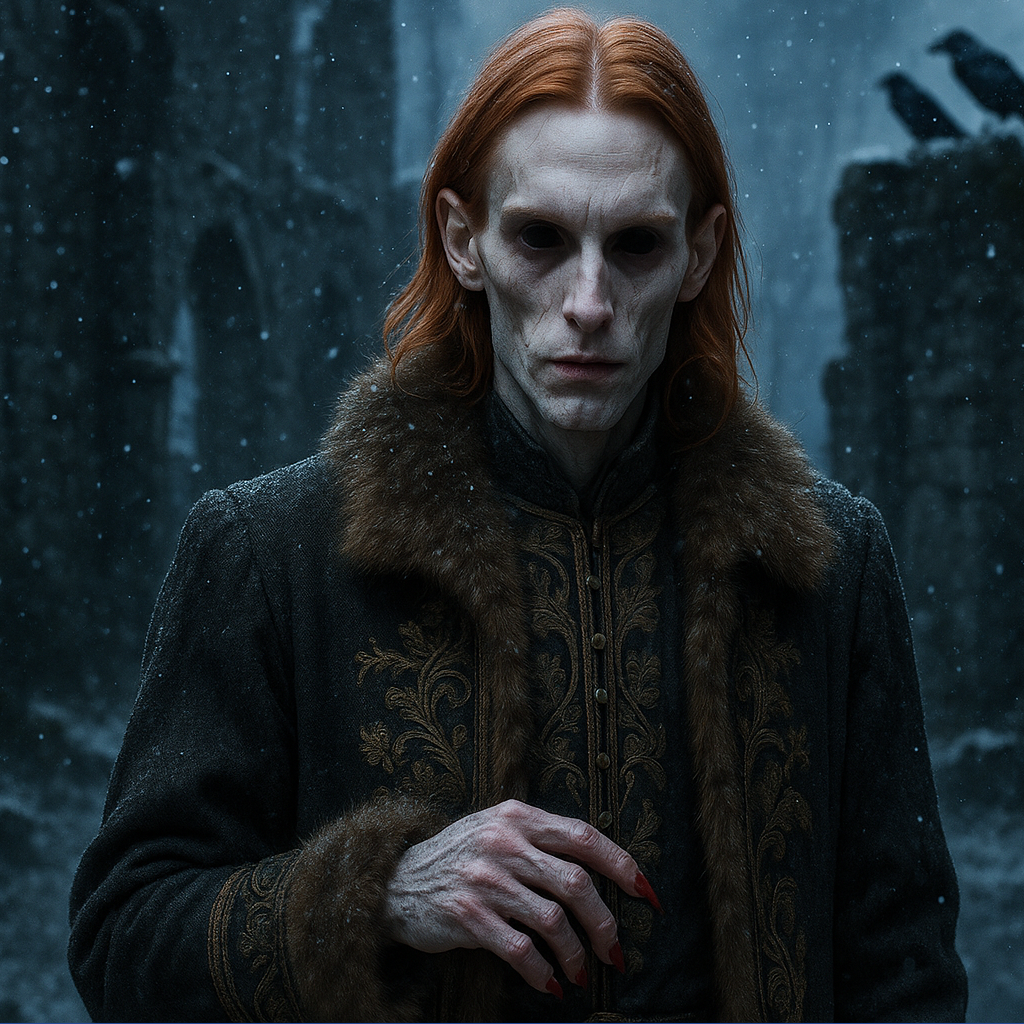 Upyri
Upyri
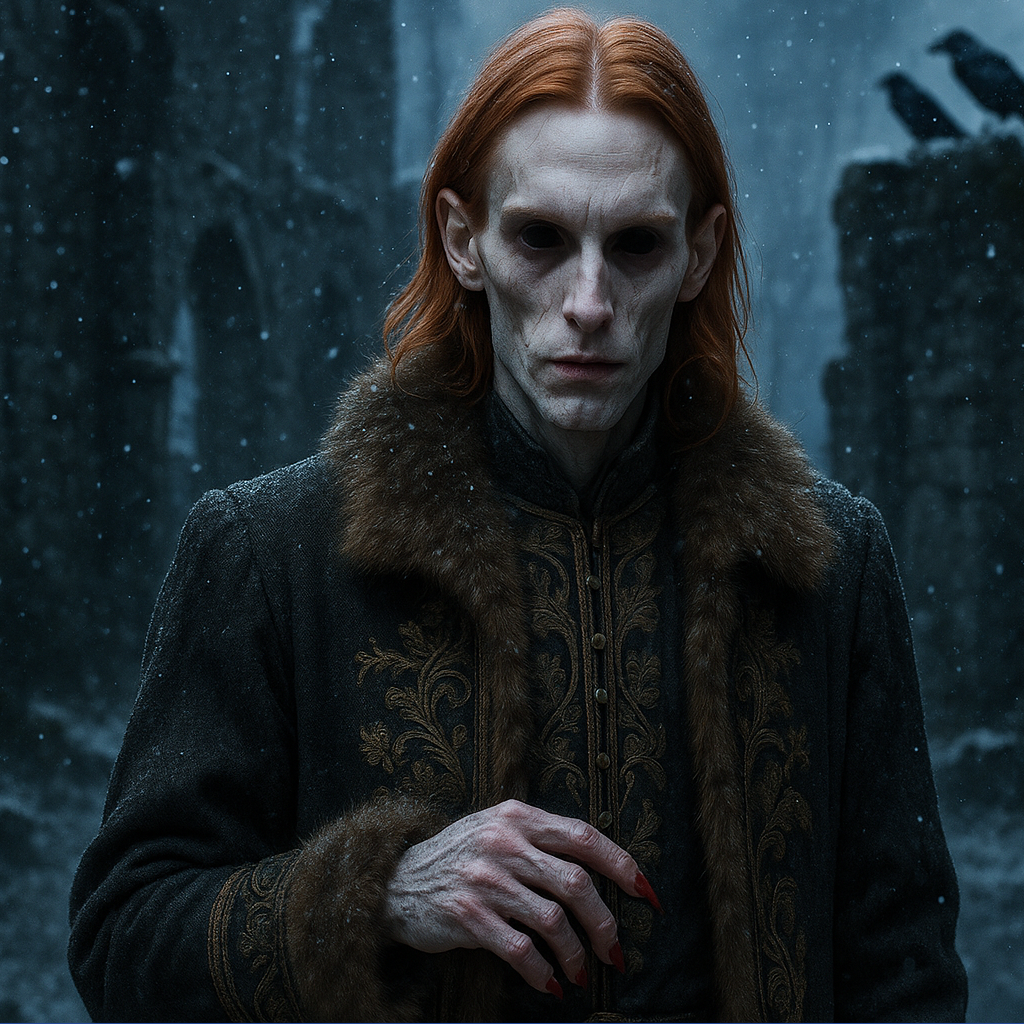
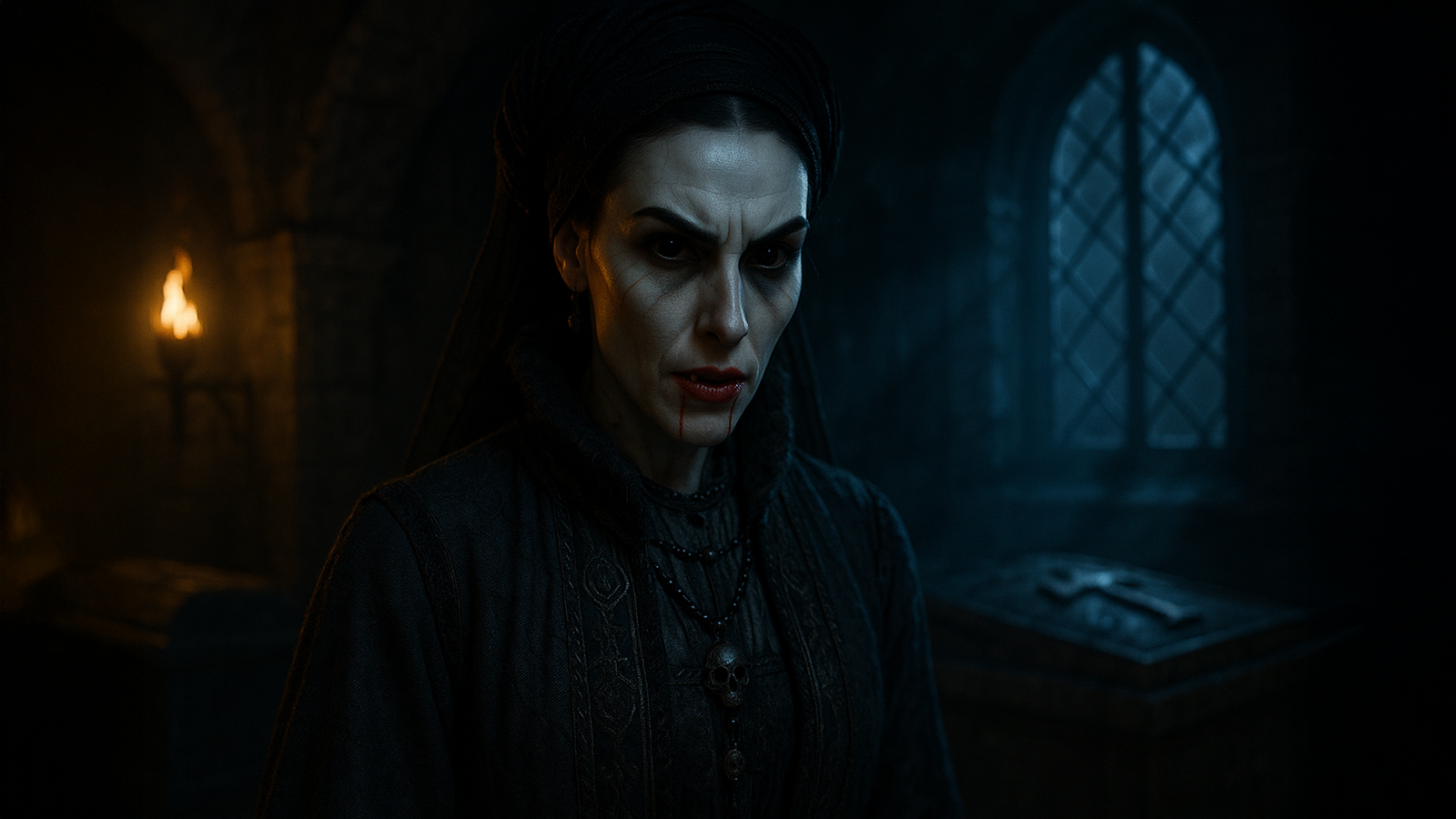
The self-styled "noble undead" of these frozen lands are similar to the Strikja of the Lake Kingdoms- as rare but perhaps even more feared for their icy, dead hearts. The Upyri are masters of the weather and the natural lands they claim dominion over. The Upyri do not skulk through urban cityscapes or the undersides of civilization; they are uncomfortable in such banal surroundings. They dominate an area of isolated rural terrain like the tyrants of old, connected to the land and peasants like a dragon holds their hoard.
The Upyri are intimately connected to their lands and they wield elemental magic of water (ice), air or earth. The exalted powers of fire are denied them and they abhor any flame larger than a candle. Legend says they appear with the winter storm and their bite is deepest cold imaginable. Further, Krasznya superstitions believes that Winter is a curse by the Upyri- each Upyri killed worsens the Winter, yet only when they are all destroyed will Krasz ever feel a truly warm spring. Their powers are weak in Summer as they enter a great torpor from the Long Days.
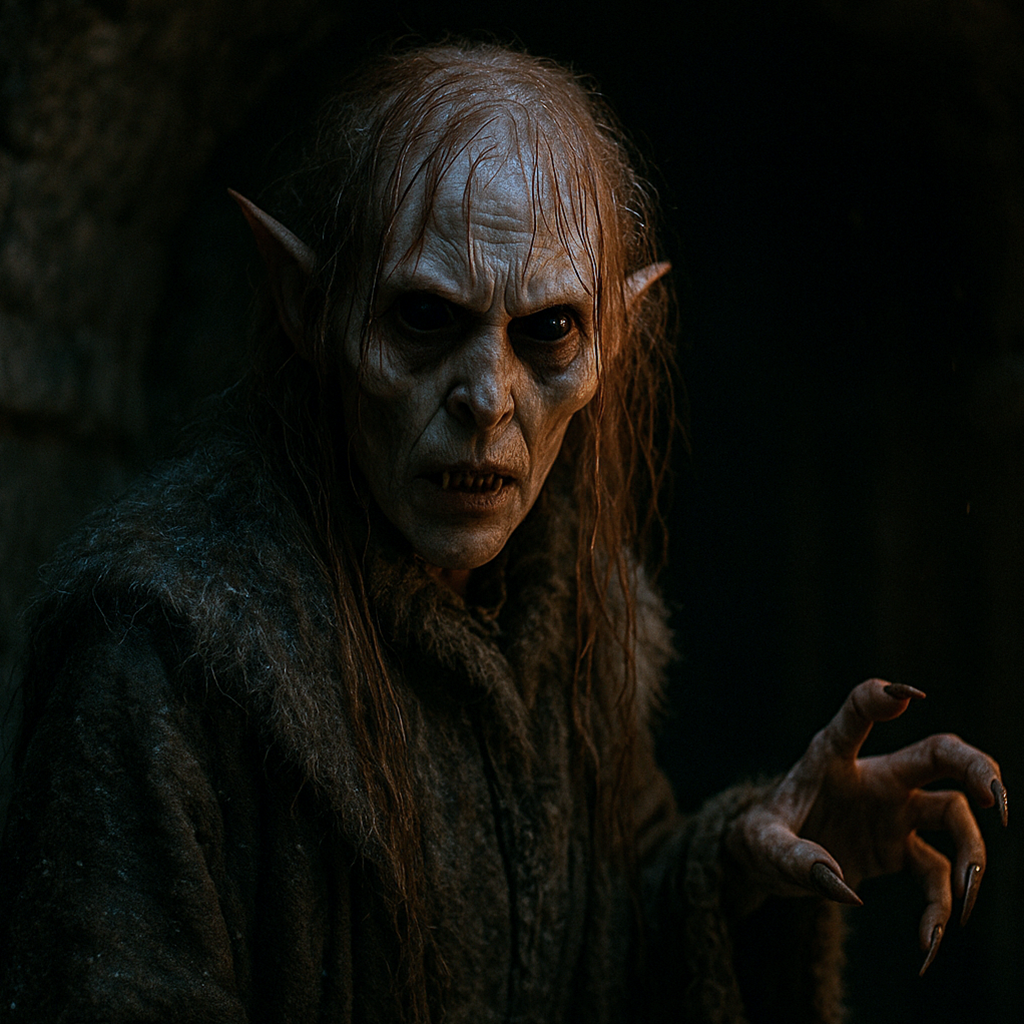 Vudylaku
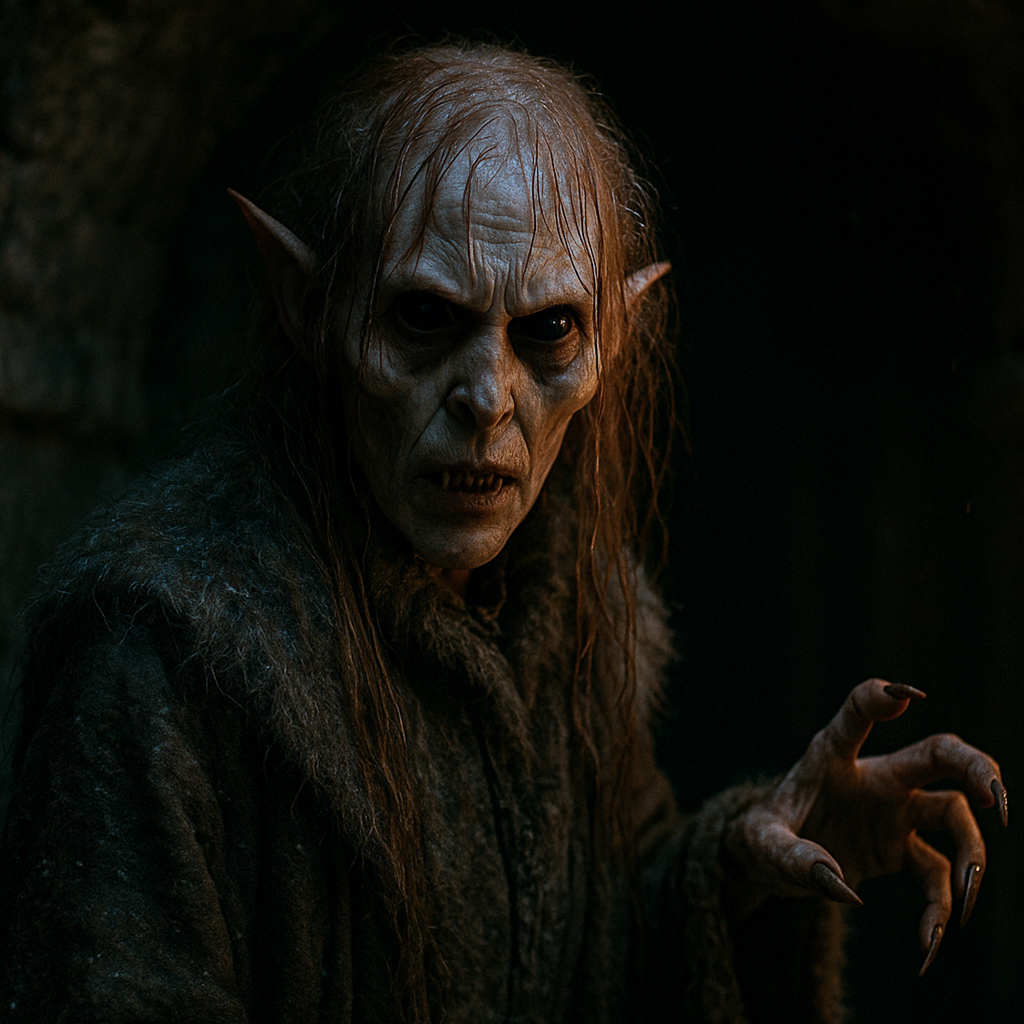
Dwelling in catacombs, crypts and dungeons, the Vudylaku have a deep and strange connection to the shadow and death.